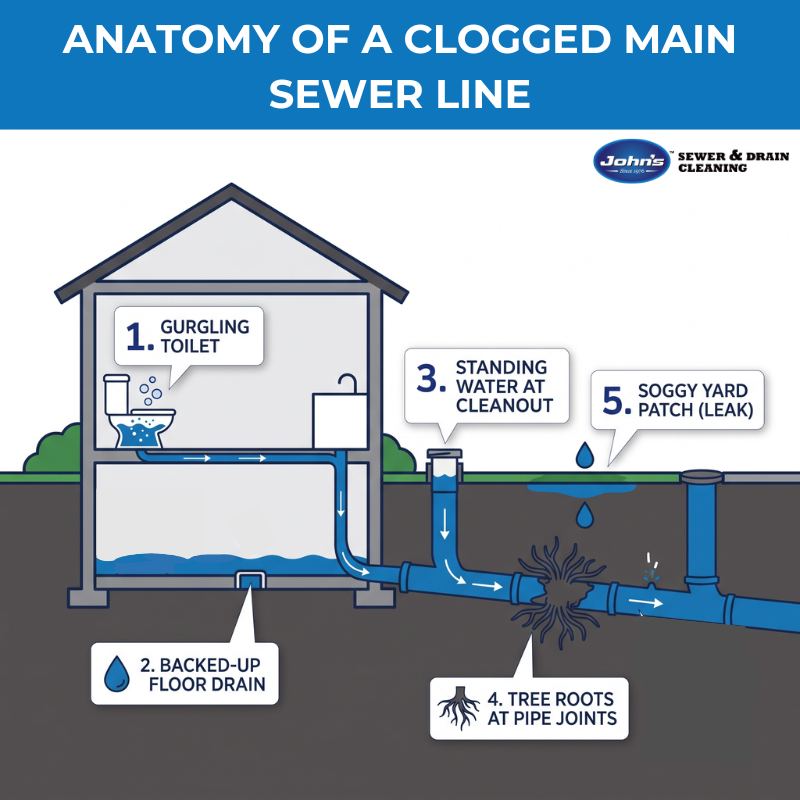
The most common signs of a clogged main sewer line are multiple slow drains at once, gurgling sounds from your toilet, water backing up in odd places, sewage odors, and standing water at the sewer cleanout.
Your main sewer line is the one pipe every drain in your house depends on. When it clogs, wastewater has nowhere to go, so it comes back up through the lowest drains in your home. The good news is that a clogged main sewer line almost always gives you warning signs before it becomes a full plumbing emergency. Knowing what those signs look like, what causes them, and what to do when you spot one can save you from a flooded basement and a repair bill that runs into the thousands.
What Is a Main Sewer Line?
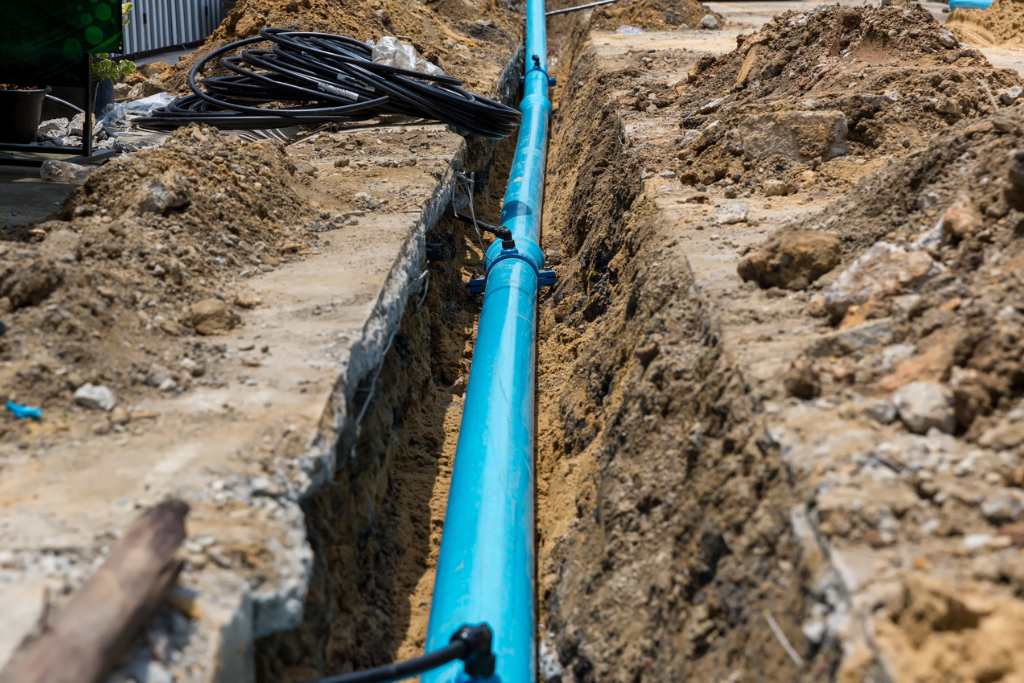
A main sewer line is the large underground pipe that carries all the wastewater from your home’s plumbing to the municipal sewer or septic tank. Every plumbing fixture in the house connects to it, including your toilet, kitchen sink, bathroom sink, shower drain, floor drain, and washing machine.
Most residential sewer pipes are 4 inches in diameter and buried 4 to 6 feet underground. Because everything flows through this single pipe, a blockage here affects your entire drainage system at once. That is what makes a main line clog different from an ordinary drain clog, and it is why the warning signs show up all over the house instead of at just one fixture.
What Are the First Signs of a Clogged Main Sewer Line?
Main line clogs usually start as a partial blockage. Water still gets through, just slowly. These early warning signs are your best chance to fix the problem before raw sewage ends up on your basement floor.
Multiple Slow Drains at the Same Time
One slow drain usually means a simple drain clog in that fixture’s branch line. But when the kitchen sink, tub, and bathroom sink all drain slowly at once, the problem sits farther down in your home’s plumbing. Pay special attention to the lowest drains in the house. They back up first because wastewater always seeks the lowest exit point.
Gurgling Sounds From Toilets and Drains
Strange noises are one of the earliest clues. When a sewer clog traps air in the pipe, that air escapes through your fixtures. Listen for:
- Gurgling from the toilet when you run the bathroom sink
- Bubbling in the tub or shower drain after the washing machine drains
- A percolating sound from the toilet bowl when nothing is in use
Water Backing Up in Odd Places
A healthy plumbing system keeps each fixture’s water separate. A blocked main line forces water into strange detours. Flushing the toilet might push water up through the shower drain. Running the washing machine might cause the toilet to bubble or overflow. Any time using one fixture affects another, you are looking at a main line problem.
What Are the Serious Warning Signs of a Sewer Line Clog?
If the early signs go unnoticed, the blockage grows until wastewater has no path forward. These signs mean you should stop using water and call a professional plumber right away.
| Warning Sign | What It Means | Urgency |
| Sewage backing up in floor drains or tubs | The main line is fully blocked | Emergency |
| Standing water or waste at the sewer cleanout | Wastewater is trapped in the line | Emergency |
| Foul odors from multiple drains | Sewage is sitting in the pipe | High |
| Soggy patches or extra-green grass in the yard | The sewer pipe may be leaking into the surrounding soil | High |
| Toilet water levels that rise and fall on their own | Pressure changes from a growing blockage | Moderate |
A sewage backup is more than a mess. Raw sewage carries bacteria, viruses, and parasites that can make your family sick. At least 23,000 sanitary sewer overflows happen in the U.S. every year, and that number doesn’t count backups into buildings. Fast action protects both your health and your home.
What Causes a Clogged Main Sewer Line?
Knowing what’s behind a clogged sewer line helps you choose the right fix and the right preventive measures. These are the most common culprits our technicians find during a camera inspection:
- Tree roots: The number one cause of main line clogs. A tree root seeks out the moisture inside a sewer pipe and enters through small cracks and pipe joints. Once inside, roots grow into a net that catches everything flowing past.
- Flushed items that don’t break down: Paper towels, wipes (even the “flushable” kind), and feminine hygiene products do not dissolve the way toilet paper does. They snag on rough spots and build into a sewer drain clog over time.
- Cooking grease: Grease poured down the kitchen sink or rinsed through the garbage disposal cools and hardens inside the pipe, narrowing it a little more with every meal.
- Older pipes: If you live in an older home, your line may be clay or cast iron. Older pipes crack, sag, and corrode, creating low spots where waste collects.
Is It a Main Line Clog or Just One Clogged Drain?
Use this quick comparison before you reach for the plunger. Getting this answer right saves you time and money, because the two problems need very different fixes.
| Question | Single Drain Clog | Main Sewer Line Clog |
| How many fixtures are affected? | One | Two or more |
| Where does it show up? | At that fixture only | Lowest drains first |
| Does using one fixture affect another? | No | Yes |
| Any sewage odors? | Rarely | Often |
| Will a plunger fix it? | Usually | No |
One more test: check your sewer cleanout, the capped pipe usually found near your foundation or in the yard. Open it carefully. If you see standing water or waste, the blockage is in the main line between the cleanout and the street.
What Should You Do If You Suspect a Main Sewer Line Clog?
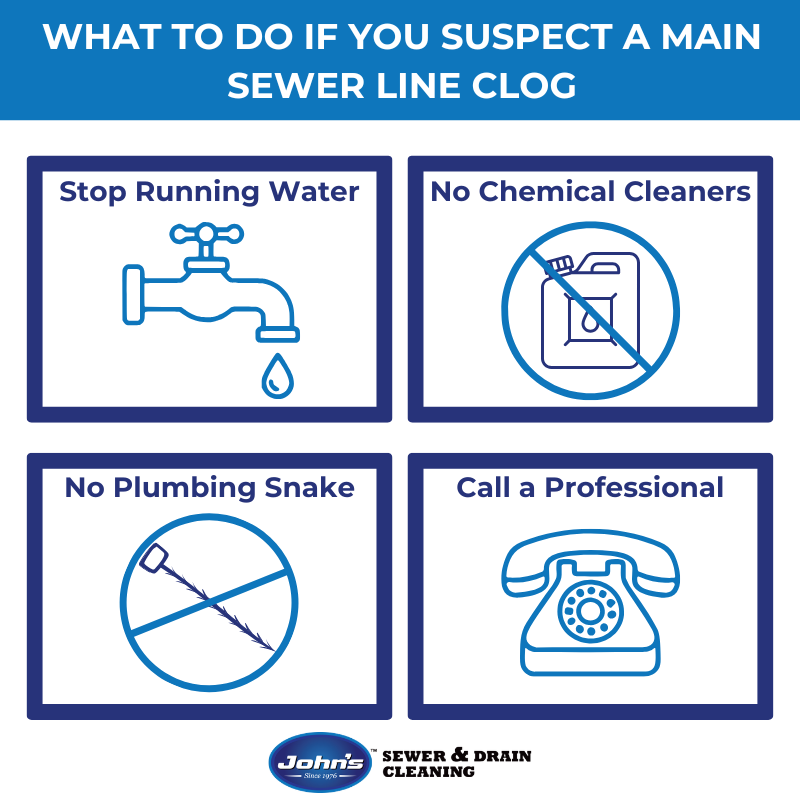
Take these steps in order the moment you spot the warning signs:
- Stop running water: Every flush and every load of laundry adds water that has nowhere to go except back into your home.
- Skip the chemical drain cleaners: They cannot reach a main line blockage, and the caustic liquid will sit in your pipes, damaging them and putting the technician at risk.
- Don’t rent a plumbing snake for the main line: Consumer snakes are built for small drain lines. A misused cable can crack a pipe and turn a cleaning job into a dig-and-replace job.
- Call a professional: Main line clogs never fix themselves. A partial blockage always becomes a full one.
How Do Professionals Diagnose and Clear a Main Line Clog?
A professional starts with a video inspection. A waterproof camera travels through the line and shows exactly what is causing the blockage and where it sits, so you never pay to guess. From there, the right tool depends on the cause. A motorized cable machine cuts through roots and solid clogs. High-pressure water jetting scours grease and sludge off the pipe walls at up to 4,000 pounds of pressure. If the camera reveals a cracked or root-damaged pipe, trenchless pipe lining can restore it without digging up your yard.
This diagnosis-first approach matters. Clearing a clog without finding its cause invites the same plumbing problems back within months, and repeat clogs are often the first hint of extensive damage hiding underground.
How Can You Prevent Main Sewer Line Clogs?
A few simple habits protect your sewer line for decades:
- Flush only toilet paper and human waste. Everything else goes in the trash.
- Pour cooking grease into a container, let it harden, and throw it away.
- Use drain strainers in sinks and showers to catch hair and food scraps.
- Plant trees well away from the sewer line’s path.
- Schedule professional drain cleaning and a camera inspection every 1 to 2 years, especially if your property has mature trees or older pipes.
Noticing the Signs? Call John’s Sewer
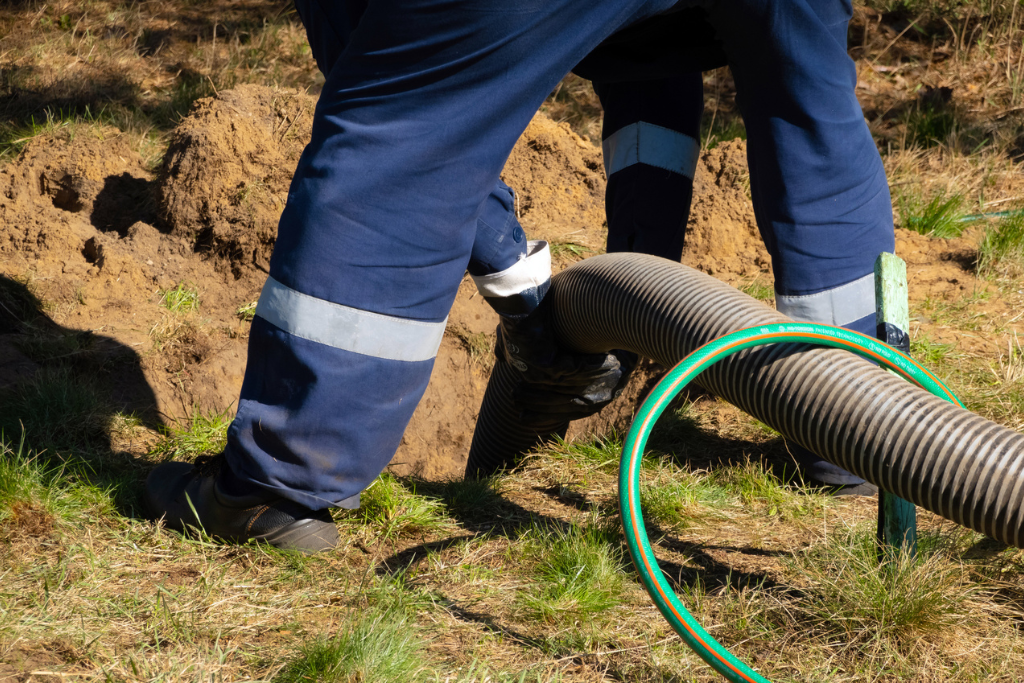
If your drains are gurgling, backing up, or draining slowly all at once, don’t wait for a sewage backup to make the decision for you. John’s Sewer & Drain Cleaning has been solving sewer cleaning and drain problems for Boston-area homes and businesses since 1976. Our trained technicians answer the phone live, 24 hours a day, 7 days a week, and our goal is to be at your door within 2 hours of your call.
We’ll run a video inspection, show you exactly what’s happening in your line, and clear it the right way the first time. Your sewer line gave you the warning signs. Give us a call, and we’ll take it from there.