
Short Answer: Tree roots are one of the most common causes of sewer line damage, finding their way into pipes through tiny cracks and loose joints. Once inside, root growth can lead to slow drains, sewage backup, and a complete blockage of your sewer system.
Why Tree Roots Invade Sewer Lines
Tree roots are naturally drawn to sewer pipes because they provide exactly what roots need to survive: water, nutrients, and oxygen. Your sewer line creates a warm, moist environment that releases vapor through any openings in the pipe.
Once roots find their way to a pipe, they enter through any available opening:
- Tiny cracks in aging pipes caused by ground shifting or settling
- Loose joints between pipe sections where seals have deteriorated
- Damaged areas from corrosion, especially in older clay or cast iron pipes
- Connection points where the main line meets branch lines
After a root enters your sewer pipe, it thrives in the nutrient-rich environment. The root mass continues to expand, catching debris like grease and toilet paper. Over time, this creates a blockage that restricts water flow and can eventually cause a complete stoppage.
Pipes Most Vulnerable to Root Intrusion
Not all pipes face equal risk when it comes to root damage. If you live in an older home, your sewer system may be more susceptible.
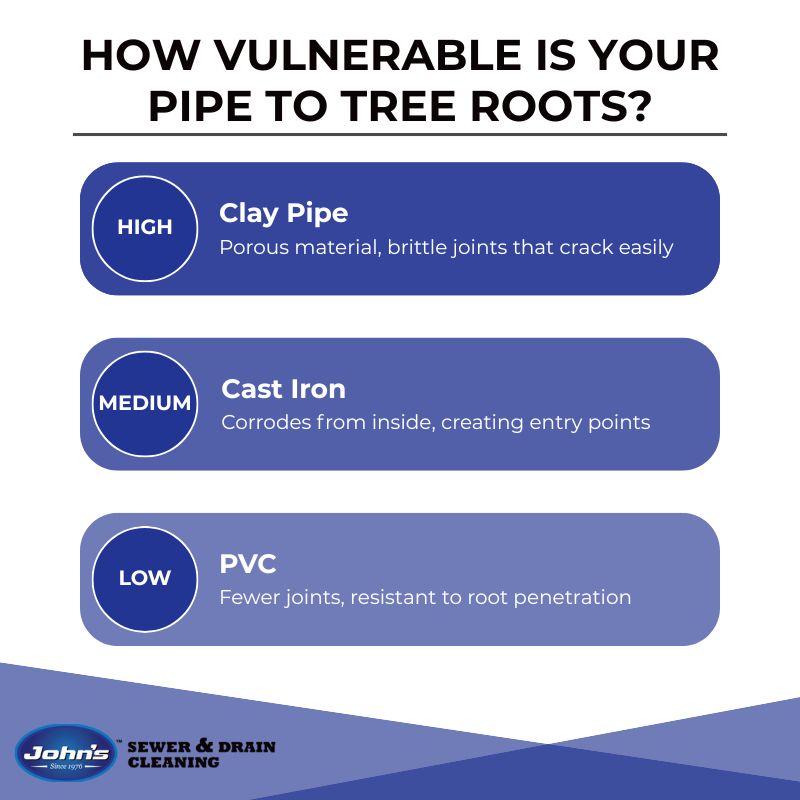
If your home was built before the 1970s, there’s a good chance you have old pipes, like clay or cast iron, connecting to the main sewer.
Warning Signs You Have Roots in Your Sewer Line
Tree root problems rarely announce themselves with sudden failure. Instead, most homeowners notice gradual plumbing issues. Catching these early warning signs can save you from significant damage.
Slow Drains Throughout Your Home
When a single drain runs slowly, you’re probably dealing with a localized clog. But when multiple fixtures drain slowly at the same time, the problem is likely in your main sewer line. Root growth gradually restricts the pipe’s diameter, making it harder for water to flow through.
Gurgling Sounds and Sewage Backup
Air trapped behind a root blockage has to go somewhere. When you flush a toilet or run water, you might hear gurgling sounds coming from nearby drains. The lowest drains in your home are usually the first to show signs of a sewer line problem. If you notice sewage backing up into your basement floor drain, roots may have created a significant blockage.
Unpleasant Odors and Yard Changes
A healthy sewer system shouldn’t produce noticeable smells. When roots damage your sewer pipe, they can allow sewer gas to escape into the surrounding soil. Watch for these signs in your yard:
- Patches of grass that are unusually green and lush (fertilized by leaking sewage)
- Soggy or soft spots in your lawn, even during dry weather
- Indentations or sinkholes forming near your sewer line path
Recurring Clogs
If you find yourself calling a plumber every few months for the same clog, roots are a likely culprit. Standard drain cleaning provides temporary relief, but the roots remain in the pipe and quickly grow back.
How Professionals Diagnose Root Problems
When you suspect tree roots in your sewer line, a professional video inspection is the best way to confirm the problem. A small camera travels through your drain line, sending back footage showing the pipe’s interior condition. This allows technicians to identify:
- Exactly where the roots have entered the pipe
- How much root mass is present
- The condition of the pipe itself (cracks, breaks, or collapse)
- Whether repair or replacement is the best option
Solutions for Tree Roots in Sewer Lines
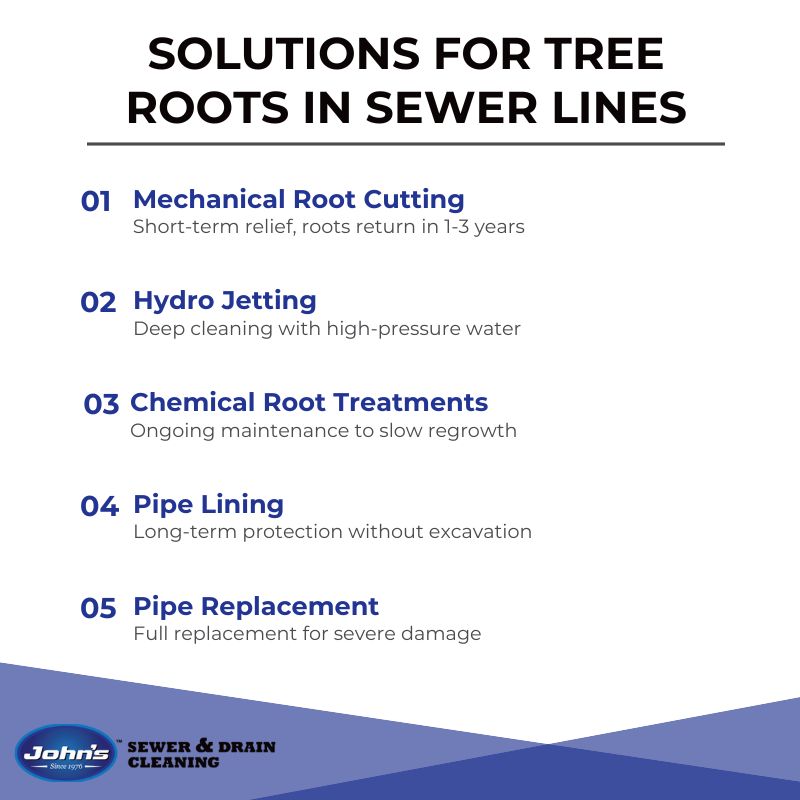
The right solution depends on how severe the intrusion is and the condition of your pipe.
Mechanical Root Cutting
For moderate blockages in pipes that are otherwise in good condition, a root cutter with rotating blades can clear the obstruction. This is effective and affordable, but the roots will return within one to three years, requiring repeat service.
Water Jetting
Water jetting uses high-pressure water to blast through root blockages and scour the entire pipe clean. This method is more thorough than mechanical cutting because it removes not just roots but also grease and debris.
Chemical Root Treatments
Several chemical products can kill roots and slow regrowth:
Copper Sulfate: Crystals flushed down the toilet bowl kill roots on contact. However, copper sulfate can harm your septic tank, and some municipalities restrict its use.
Rock Salt (Sodium Chloride): A more natural option that dehydrates roots. Less effective than copper sulfate but safer for septic systems.
Foaming Root Killer: Commercial products containing herbicides coat the entire pipe interior, reaching roots that crystalline products might miss.
Chemical treatments work best as preventive maintenance rather than clearing significant blockages.
Pipe Lining (Trenchless Repair)
When root damage has compromised the pipe itself, pipe lining offers a permanent solution. A flexible liner coated with epoxy resin is inserted and inflated against the pipe walls, creating a smooth, jointless surface impervious to root penetration.
Pipe Replacement
In cases of severe damage like collapsed sections or extensive cracking, replacement may be necessary. Modern methods include traditional excavation or trenchless pipe bursting, which minimizes yard disruption.
Preventing Future Root Problems
After addressing an existing root problem, prevention should be a priority.
Schedule Regular Inspections
Regular inspections with video camera technology allow you to monitor root growth before it becomes serious. Here’s how often you should schedule inspections based on your situation:
- Homes with large trees near sewer lines: Annual inspection recommended
- Properties with a history of root problems: Inspection every 6-12 months
- Newer homes with PVC pipes, no nearby trees: Every 3-5 years
Mind What You Plant
When adding trees to your landscape, consider their mature size and root behavior. Plant large trees at least 10 feet from sewer lines. Trees with particularly aggressive roots include willows, silver maples, poplars, and American elms.
Does Homeowner Insurance Cover Root Damage?
Most standard homeowner insurance policies do not cover damage from gradual root intrusion, which insurers typically classify as a lack of maintenance. Some insurers offer optional sewer line coverage. Review your policy and keep records of your maintenance history.
When to Call a Professional
While minor drain issues can be handled with a plunger, tree root problems require professional equipment. Call a sewer professional when you notice:
- Multiple slow drains throughout your home
- Recurring clogs that keep coming back
- Sewage backup in any drain
- Sewer gas odors inside or outside your home
- Wet spots or sinkholes in your yard
Get Expert Help for Tree Root Problems
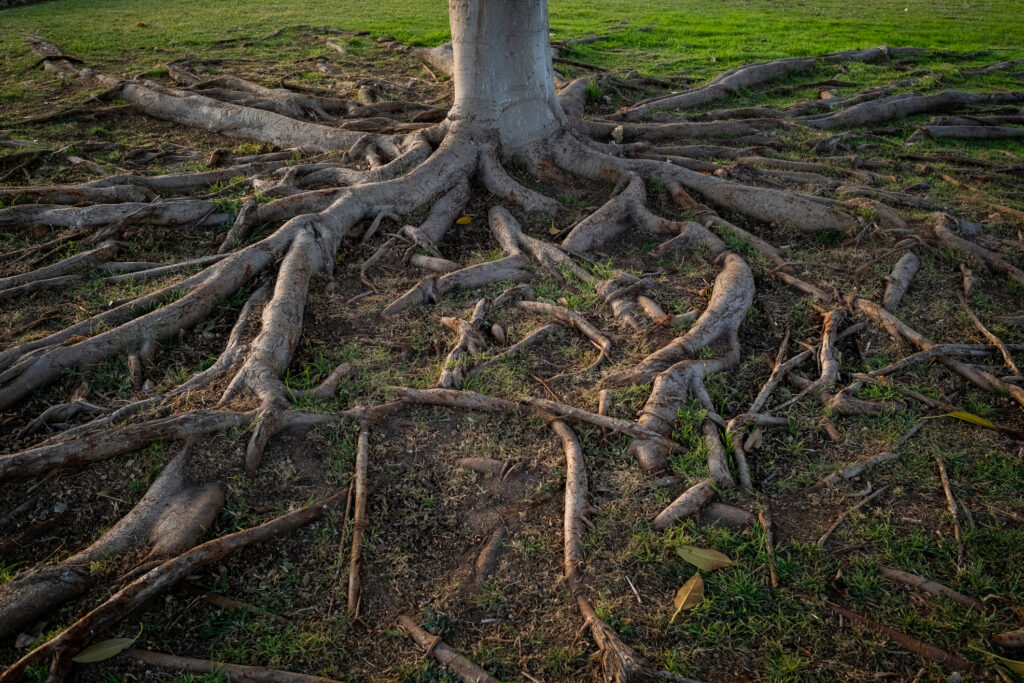
Tree roots in your sewer line won’t fix themselves, and waiting often leads to more extensive damage. If you’re experiencing warning signs of root intrusion, it’s time to call in experts.
John’s Sewer and Drain Cleaning has been solving complex sewer problems for Boston-area homeowners since 1976. Our experienced technicians use professional video inspection equipment to identify root damage and have the tools to clear blockages effectively. We’re available 24 hours a day, 7 days a week, and our goal is to reach your home within 2 hours of your call.
Contact John’s Sewer and Drain Cleaning today for a professional inspection.