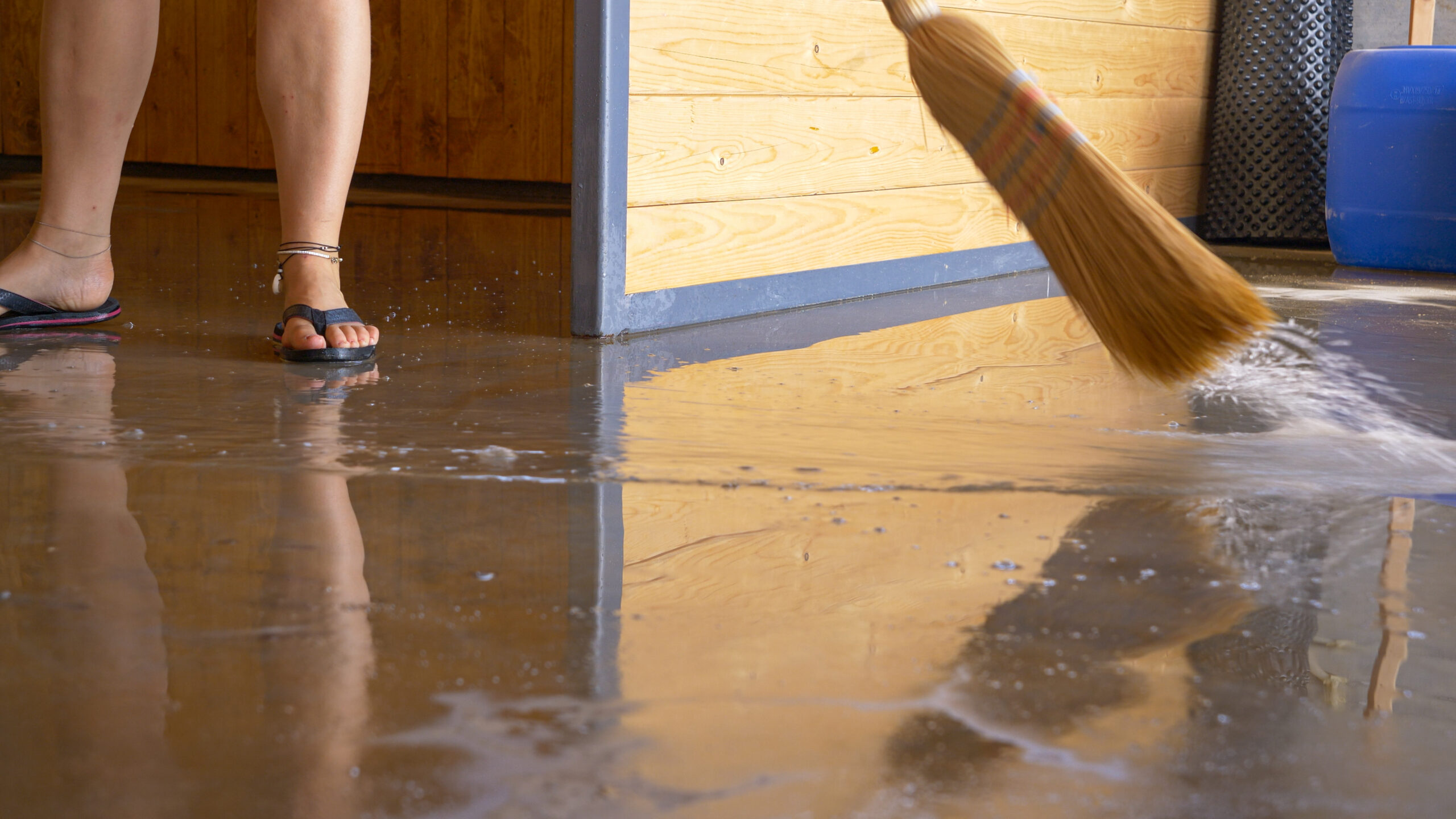
At a Glance: A flooded basement requires immediate action to prevent further damage. Start by ensuring your safety, then stop the water source if possible, remove standing water, and begin the drying process. Understanding the common causes of basement flooding, from heavy rain and sewer backup to burst pipes, helps you take the right steps for cleanup and prevention.
Finding your basement underwater can be overwhelming for any homeowner. The good news is that knowing what to do in the first few hours can significantly reduce water damage and help you get your home back to normal faster.
Stay Safe First
Before you do anything else, take steps to protect yourself and your family. Floodwater can carry bacteria, sewage, and other contaminants that pose serious health risks. Even clean water from a burst pipe becomes hazardous once it touches basement floor surfaces and picks up dirt and debris.
Check Your Electrical Panel
Never enter a flooded basement if water has reached your electrical panel or any outlets. Water and electricity create a deadly combination. If you can safely access your circuit breaker from a location away from the flooded area, turn off the power to the basement before entering. If you can’t reach it safely, call your utility company or a licensed electrician to disconnect power first.
Protect Yourself From Contaminated Water
If your basement flood came from a sewer backup, the water contains raw sewage and harmful bacteria. Wear rubber boots, waterproof gloves, and eye protection before entering the flooded area. Avoid touching your face, and wash thoroughly with soap and clean water after any contact with floodwater.
Common Causes of Basement Flooding

Understanding why your basement flooded helps you address the problem at its source and prevent future incidents. Here are the most frequent culprits:
Weather-Related Causes
Heavy rain and severe weather account for a large percentage of basement floods, especially in older homes. During a heavy storm, the ground becomes saturated, and water pressure against basement walls increases. This hydrostatic pressure can force water through cracks, window wells, and floor joints. Homes in low-lying areas face even greater risk when streets and yards can’t drain fast enough.
Plumbing Failures
A burst pipe can release hundreds of gallons of water in a short time. Common pipe failures include:
- Frozen pipes that crack when temperatures drop suddenly
- Aging infrastructure in older homes, where pipes have corroded
- Water heater failures that flood the surrounding area
- Washing machine supply line ruptures
- Failed connections in appliances like dishwashers
Drainage System Problems
Your home’s drainage system works hard to keep water off your foundation. When it fails, water finds its way. Sewer backups occur when the municipal sewer system fails to function properly. A failed sump pump, especially during a power outage, leaves your basement defenseless against groundwater infiltration.
Foundation Issues
Cracks in your concrete basement floor or basement walls create pathways for water entry. Over time, settling, soil movement, and normal wear can create gaps that allow excess water to seep in. Window wells that don’t drain properly also contribute to basement flooding.
What to Do When You Find Standing Water
Once you confirm it’s safe to enter, focus on stopping ongoing water entry and beginning the water removal process.
Stop the Water Source

Begin Water Removal
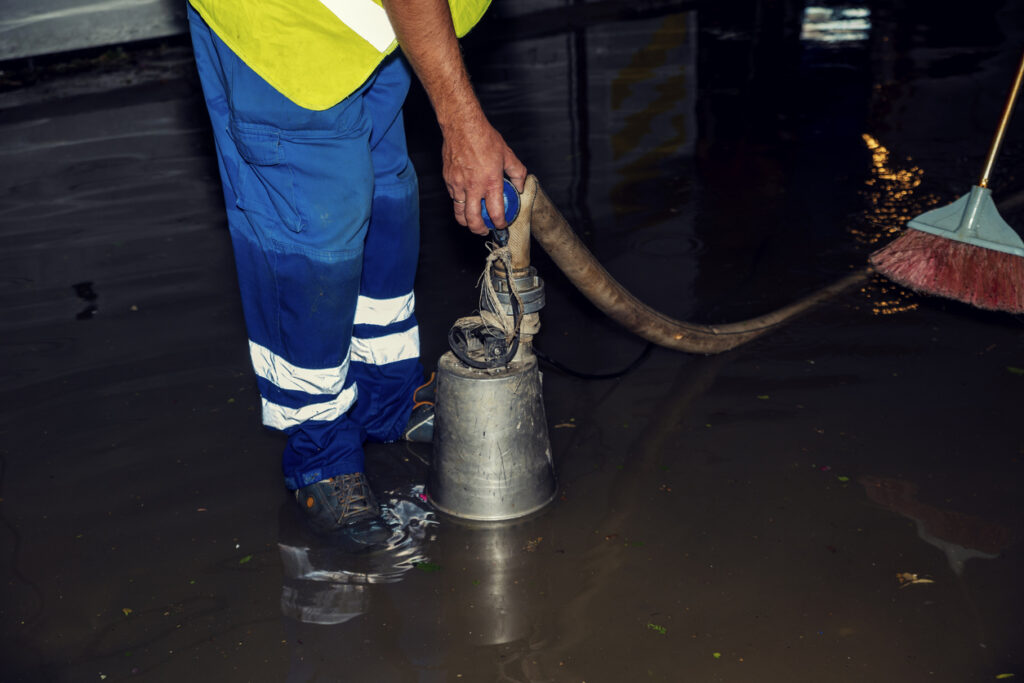
Small amounts of standing water can be handled with a wet dry vacuum and buckets. For significant flooding (more than a few inches), you’ll need a sump pump or professional water removal equipment. If you have a functioning sump pump, make sure it’s running and that the discharge line isn’t blocked.
For major flooding, a plumbing contractor or water damage restoration company has industrial equipment that can remove water much faster than consumer-grade tools. The faster you get rid of the water, the less damage occurs.
The Drying Process
Removing visible water is just the first step. The drying process that follows is equally important for preventing mold growth and structural damage.
Improve Air Circulation
Get air moving through the space by:
- Opening windows if weather permits (low humidity helps)
- Running fans to circulate air across wet surfaces
- Using dehumidifiers to pull moisture from the air
- Removing wet items like rugs, boxes, and furniture to dry separately
Address Wet Materials
Different materials require different approaches. Concrete basement floor surfaces can usually be dried in place, but carpet, drywall, and insulation may need replacement. Porous materials that have absorbed floodwater, especially contaminated water from a sewer backup, often can’t be adequately cleaned and should be discarded.
Watch for Mold Growth
Mold can begin growing within 24-48 hours of water exposure. Pay attention to musty smells and visible discoloration on walls, floors, and stored items. If you spot mold growth or the flooded area is large, consider bringing in professional help for remediation.
Understanding Insurance Coverage
One of the first calls you should make is to your insurance company. However, insurance coverage for basement flooding can be complicated, and understanding your policy helps set realistic expectations.
What Homeowners Insurance Typically Covers
Standard homeowners insurance usually covers water damage from sudden internal events, such as a burst pipe or water heater failure. Damage from appliance malfunctions, like a washing machine overflow, will also typically fall under your covered events.
What Requires Separate Coverage
Here’s where many homeowners get surprised: standard policies often exclude flood damage from external sources. If heavy rain, rising groundwater, or sewer backup caused your basement flood, you may need:
- Separate flood insurance through the National Flood Insurance Program or private insurers
- Special flood insurance riders added to your existing policy
- Sewer backup coverage as an add-on endorsement
If you rent a basement apartment, check your renters’ insurance policy as coverage varies significantly between the different options.
Document Everything
Before cleaning anything, document the flood damage thoroughly. Take photos and videos of the standing water, damaged items, and affected areas. Keep damaged items until your insurance company or their third-party contractor has assessed the situation. Save all receipts for cleanup equipment, repairs, and professional services.
When to Call a Professional
While minor flooding can sometimes be handled independently, several situations call for professional help:
Signs You Need Expert Assistance
- Water deeper than a few inches
- Any sewer backup or sewage contamination
- Electrical systems affected by water
- Structural damage to walls or floors
- Mold growth covering more than a small area
- Water that doesn’t clear within 24-48 hours
Who to Call
The type of professional you need depends on the cause:
- Licensed plumber or plumbing contractor: For burst pipes, sewer backup, or drain issues
- Water damage restoration company: For major flooding and comprehensive cleanup
- Electrician: If water affected electrical systems
- Foundation specialist: For recurring groundwater problems
Preventing Future Basement Floods
After dealing with a basement flood, most homeowners want to make sure it never happens again. Even if you have never had a flood, these prevention tips are worth following, because nobody wants to deal with water damage in the basement. Prevention strategies target the most common causes:
Maintain Your Sump Pump
Test your sump pump regularly by pouring water into the pit and confirming it activates. Consider a battery backup system to keep it running during any power outages. Replace aging units before they fail. Most sump pumps last 7-10 years.
Address Your Sewer System
If sewer backup caused your flood, have a licensed professional inspect your line. Tree roots, debris, and aging infrastructure can all create blockages. Video inspection can identify problems before they cause another flood.
Improve Drainage Around Your Home
Direct water away from your foundation by extending downspouts, grading soil away from the house, and keeping gutters clean. French drains and exterior waterproofing can help homes in high-risk areas.
Check Your Plumbing
Inspect supply lines to appliances like your washing machine and water heater annually. Replace rubber hoses with braided stainless steel versions, which resist bursting. Fix small leaks before they become big problems.
Get Help When You Need It
A flooded basement is stressful, but quick action can minimize the damage. Focus on safety first, remove water as fast as possible, and begin drying the space immediately. Document everything for your insurance company, and don’t hesitate to call professionals when the situation exceeds what you can handle safely.
At John’s Sewer and Drain Cleaning, we’ve helped Boston-area homeowners deal with basement flooding since 1976. Our team of experienced technicians is available 24 hours a day, 7 days a week, because sewer backups and drain emergencies don’t wait for business hours. If your basement flood involves drain problems, sewer backup, or you need fast professional help, contact us today.