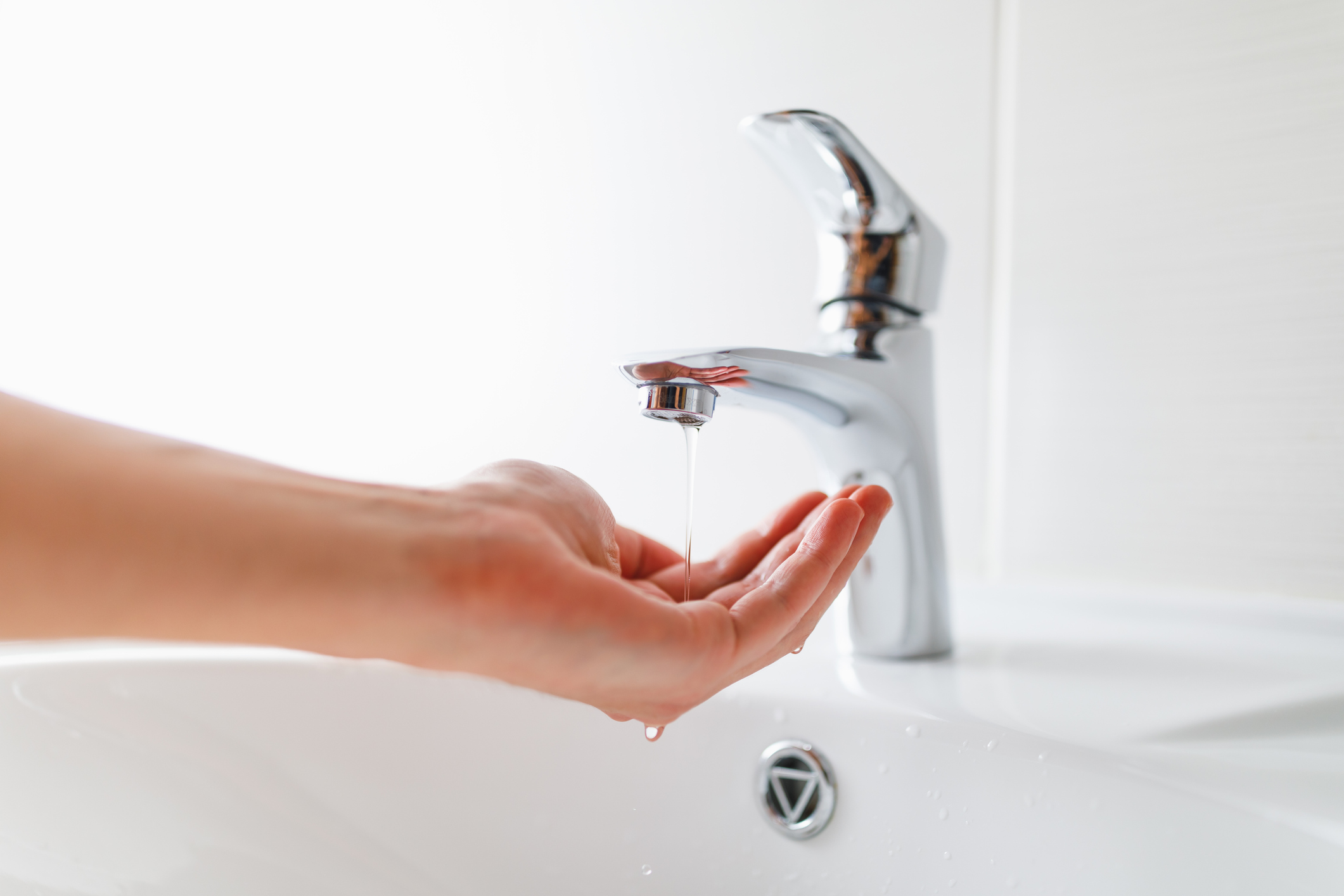
At a Glance: Low water pressure happens when water flow decreases throughout your home’s plumbing system, making everyday tasks frustrating. Common causes include mineral buildup in pipes, leaky pipes, faulty pressure regulators, or issues with your municipal water supply. Understanding the source helps you determine whether it’s a simple fix or time to call a professional.
Low water pressure affects more than just comfort; It impacts how efficiently your appliances work and can signal serious plumbing issues. This guide will help you understand what affects your home’s water pressure, identify where the problem originates, and determine the best solutions.
Common Causes of Low Water Pressure
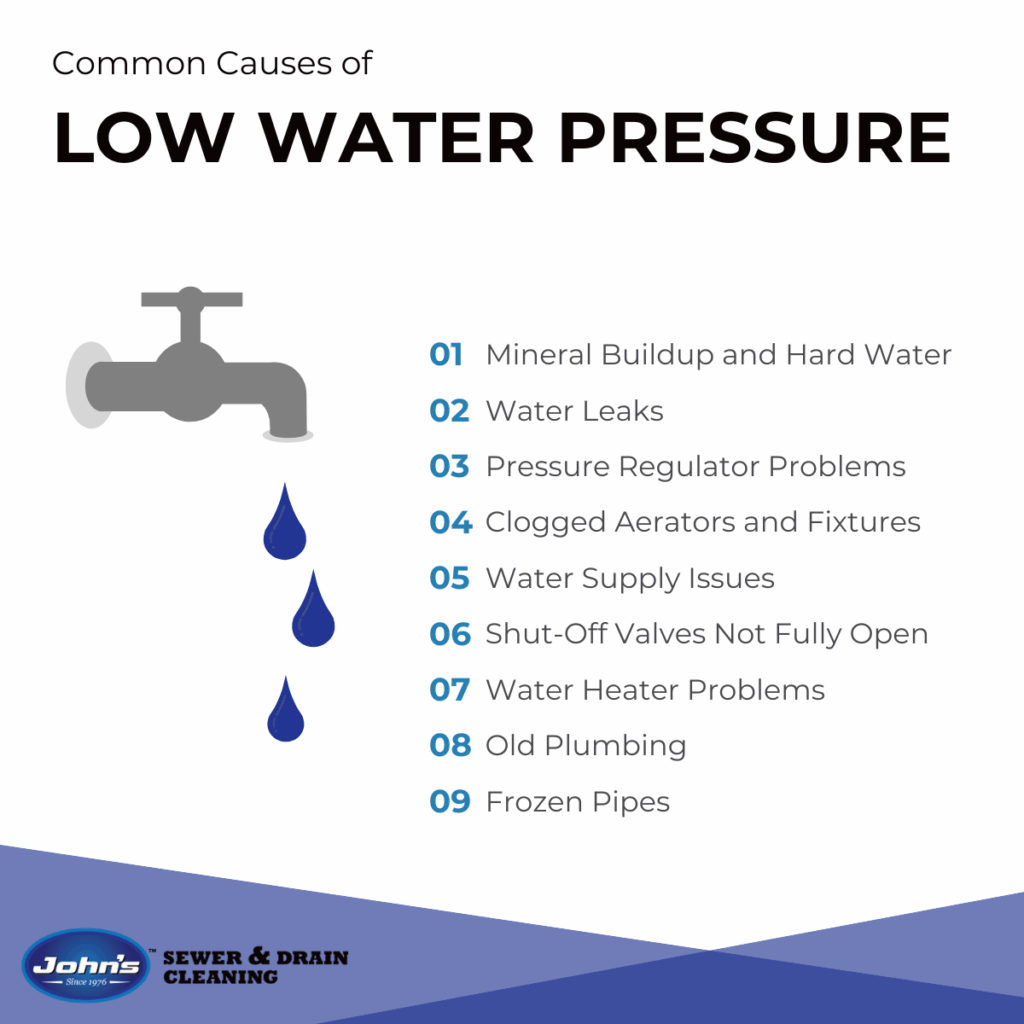
Mineral Buildup and Hard Water
Hard water contains calcium and magnesium that leave mineral deposits inside your pipes over time. These deposits gradually narrow the passage where water flows. The buildup happens slowly, which is why many property owners don’t notice the pressure dropping until it becomes significantly worse.
Signs of mineral buildup include:
- White, crusty deposits around faucet aerators
- Reduced hot water pressure (minerals accumulate faster in water heater pipes due to the heat)
- Pressure that’s weaker upstairs than on the first floor
- Gradual decline in water flow over months or years
Water Leaks
A water leak anywhere in your plumbing system steals pressure from your fixtures. The water escapes before reaching its destination, leaving you with weak flow. These leaks can be obvious, like visible dripping under your sink, or hidden behind walls, under floors, or buried in your yard.
Underground leaks are particularly problematic. Watch for these warning signs:
|
Location |
Warning Signs |
|
Indoor Pipes |
Water stains on walls or ceilings, musty smells, sound of running water when fixtures are off |
|
Outdoor Lines |
Unusually green or lush patches of grass, soggy areas in the yard, visible sinkholes or settling |
|
Foundation |
Cracks in foundation, water pooling near the house, unexplained spike in water bill |
A leak in your yard can also damage your sewer system if water saturates the ground around sewer pipes, causing soil erosion and pipe collapse.
Pressure Regulator Problems
Your pressure regulator sits on your main water line where it enters your home and controls pressure flow into your plumbing system. When a pressure regulator fails, you might experience either too much or too little pressure.
A faulty pressure regulator shows these symptoms:
- Sudden changes in pressure throughout the entire house
- High water pressure at some fixtures and low at others
- Pressure fluctuations when neighbors use water
- Banging or hammering sounds in pipes
Most pressure regulators last 10-15 years. If yours is approaching this age and you’re experiencing pressure issues, replacement might be the answer.
Clogged Aerators and Fixtures
Sometimes, low pressure is isolated to one plumbing fixture. Your kitchen faucet or bathroom sink has a small aerator screen where water exits. This screen catches mineral deposits and sediment over time.
Cleaning an aerator screen takes just a few minutes and often solves localized pressure problems.
- Unscrew the aerator from the faucet tip
- Rinse it under water
- Use an old toothbrush to scrub away visible buildup
If you have hard water, soak the aerator in white vinegar for an hour to dissolve stubborn mineral deposits.
Water Supply Issues
Problems with your municipal water supply can affect your home’s water pressure. A main break in your neighborhood drops pressure for everyone on that line. Peak usage times, like weekday mornings, can temporarily reduce pressure in areas with older infrastructure.
Contact your water supplier if you suspect supply issues. They can tell you about known main breaks, pressure levels at your house, and whether neighbors are reporting similar problems. Your water company maintains responsibility for the supply up to your water meter.
Shut-Off Valves Not Fully Open
Your home has several water valves that control the flow to different areas. The main valve near your water meter controls all water entering your property. Individual shut-off valves serve specific fixtures. If someone partially closed a valve during a repair and didn’t reopen it completely, you’ll have reduced pressure.
Check your main valve first. It should be turned fully counterclockwise. Then look for shut-off valves under sinks, behind toilets, and near your water heater.
Hot Water-Specific Problems
When low pressure only affects hot water, your water heater is likely the culprit. Sediment settles at the bottom of water heaters over time, especially with hard water. This sediment can block the outlet pipe where hot water exits the tank.
Other hot water-specific causes include:
- Partially closed valves on the water heater
- Corroded pipes leading from the heater
- Undersized water heater for your home’s needs
- Failed dip tube inside the tank
Old Plumbing
Older homes often have smaller diameter pipes than modern plumbing codes require. Galvanized pipes in older homes corrode from the inside out, reducing the effective pipe diameter over time.
Frozen Pipes
Cold weather creates temporary pressure problems when pipes freeze. A frozen pipe blocks water flow completely, while partial freezing restricts flow. Pipes in unheated areas like crawl spaces, attics, and exterior walls face the highest risk.
How to Diagnose Your Water Pressure Problem
Test One Fixture vs. All Fixtures
Determine whether low pressure affects one location or your whole house. Turn on the kitchen faucet, then check your bathroom sink, shower, and outdoor faucet.
- If pressure is weak everywhere, you’re dealing with a whole-house issue.
- If only one fixture has low pressure, focus on that specific faucet or pipe.
Check Hot and Cold Water Separately
Test both hot and cold water at each fixture.
- Low cold water pressure throughout the house suggests problems with your main water line, pressure regulator, or supply.
- Low hot water pressure only points to water heater issues.
Inspect Your Water Meter
Your water meter can reveal active leaks. Turn off every faucet, appliance, and fixture. Check your water meter: if it’s still moving, water is flowing somewhere, indicating a leak.
Look for Visible Signs
Walk through your property looking for clues:
- Check under sinks for dripping pipes
- Inspect exposed pipes for corrosion
- Look for wet spots or extra-green grass in your yard
- Listen for running water sounds in the walls
- Watch for water stains on ceilings
Solutions for Low Water Pressure
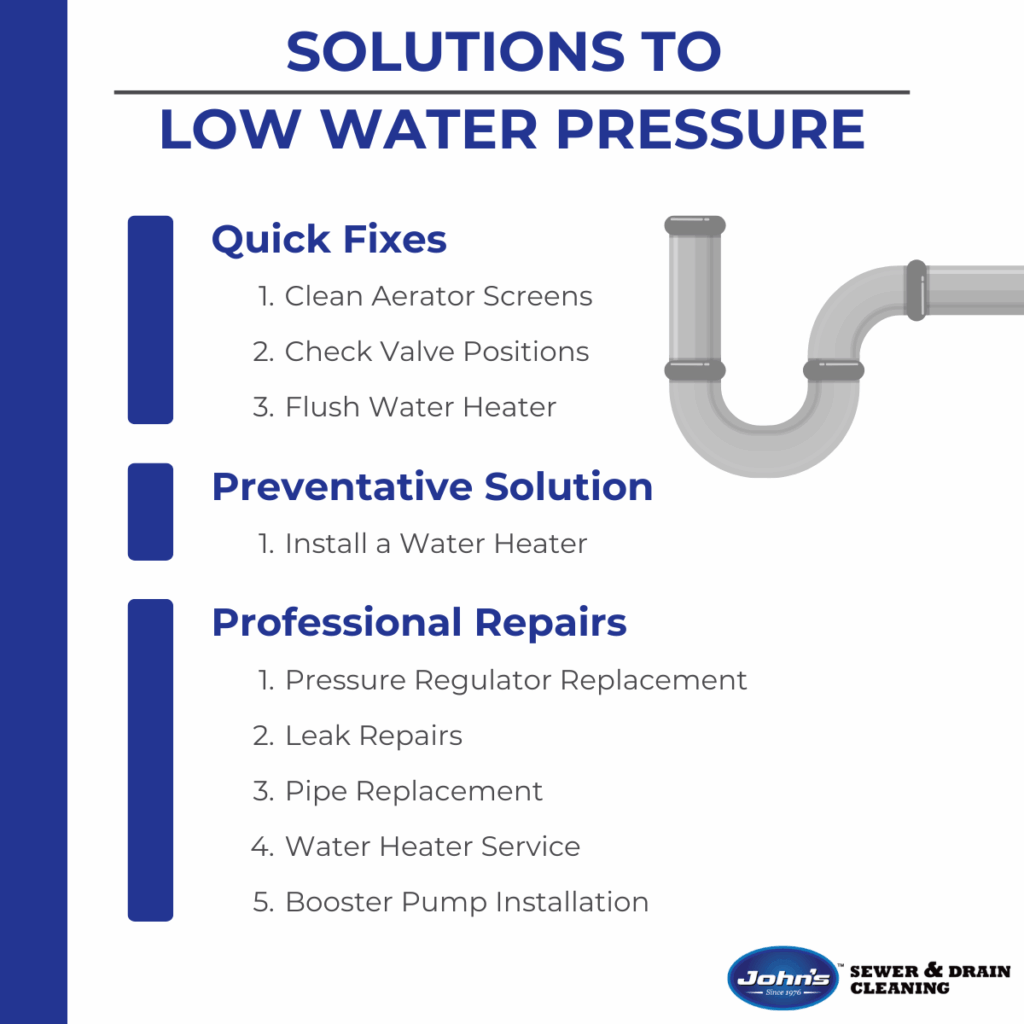
Quick Fixes You Can Try
Clean Aerator Screens: Remove and clean aerators from affected faucets. This takes 5 minutes per fixture and often restores normal flow.
Check Valve Positions: Verify that your main valve and all shut-off valves are fully open.
Flush Your Water Heater: Drain several gallons from your water heater’s drain valve to remove sediment when hot water pressure is lower than cold water pressure.
When to Install a Water Softener
If hard water causes ongoing mineral buildup, a water softener prevents future problems. These systems remove calcium and magnesium before water enters your plumbing. A water softener won’t remove existing buildup, but it stops the problem from getting worse.
When Professional Help Makes Sense
Contact a licensed professional immediately if you experience a complete loss of water pressure, visible water pooling, sounds of rushing water with no fixtures running, or suspected frozen pipes.
Professional Repairs
Pressure Regulator Replacement: A professional plumber can test your current regulator and install a new one if needed, immediately improving pressure.
Leak Repairs: Professionals use listening equipment and pressure testing to locate hidden leaks. Catching leaks early prevents water damage and saves money on your water bill.
Pipe Replacement: Homes with severely corroded pipes or extensive mineral buildup may need partial or complete pipe replacement.
Water Heater Service: A professional plumber can flush your water heater thoroughly, replace corroded pipes, or recommend replacement if the unit is old.
Booster Pump Installation: Homes at the end of long water lines or in areas with naturally low municipal pressure might benefit from a booster pump that increases pressure throughout your home.
Prevention Tips
Maintain your plumbing with these simple steps:
- Check for visible leaks monthly
- Clean aerator screens every six months
- Flush your water heater yearly
- Install a water softener if you have hard water
- Insulate pipes in unheated areas
- Address small leaks promptly.
- Watch your water bill for unexpected spikes that often indicate leaks
Take Action on Your Water Pressure Issues
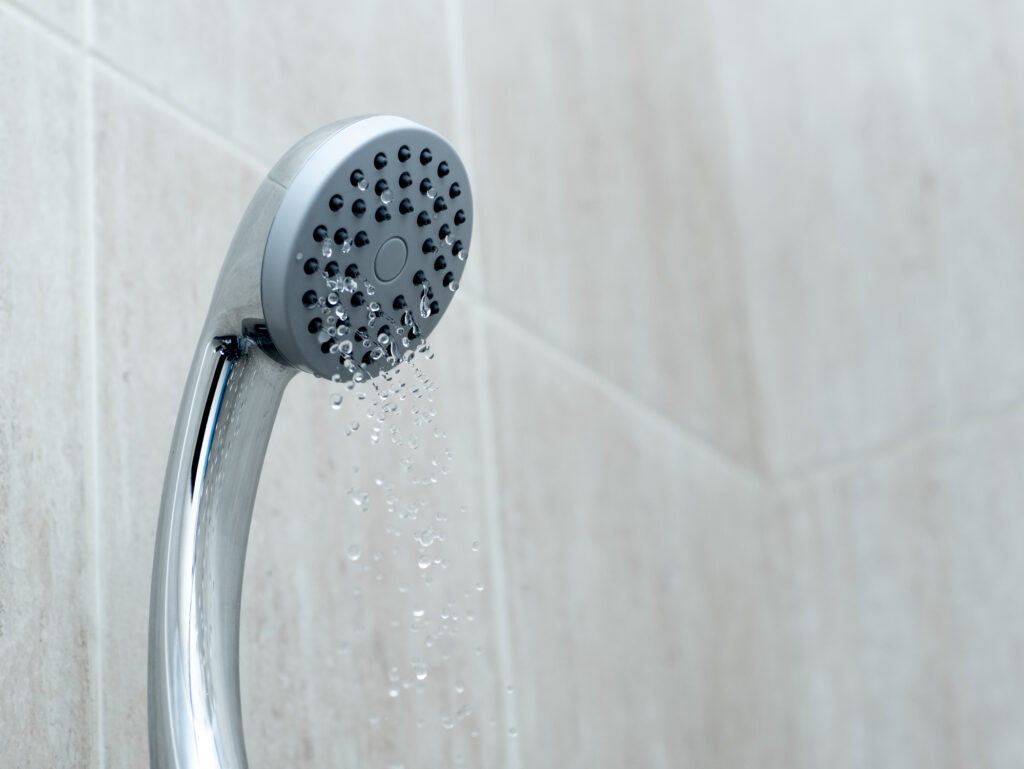
Low water pressure disrupts daily life and often signals underlying plumbing issues that worsen over time. Whether you’re dealing with mineral buildup, leaky pipes, a faulty pressure regulator, or problems with your municipal water supply, identifying the cause is the first step.
For issues beyond basic maintenance, working with a professional ensures proper diagnosis and lasting repairs. Don’t wait for a minor pressure problem to become a major emergency. Hidden leaks waste water and money while potentially damaging your home’s foundation and sewer system.
At John’s Sewer and Drain Cleaning, our experienced technicians diagnose and repair all types of water pressure problems throughout the Boston area. We provide thorough inspections, honest recommendations, and quality repairs backed by decades of experience. Contact us today!