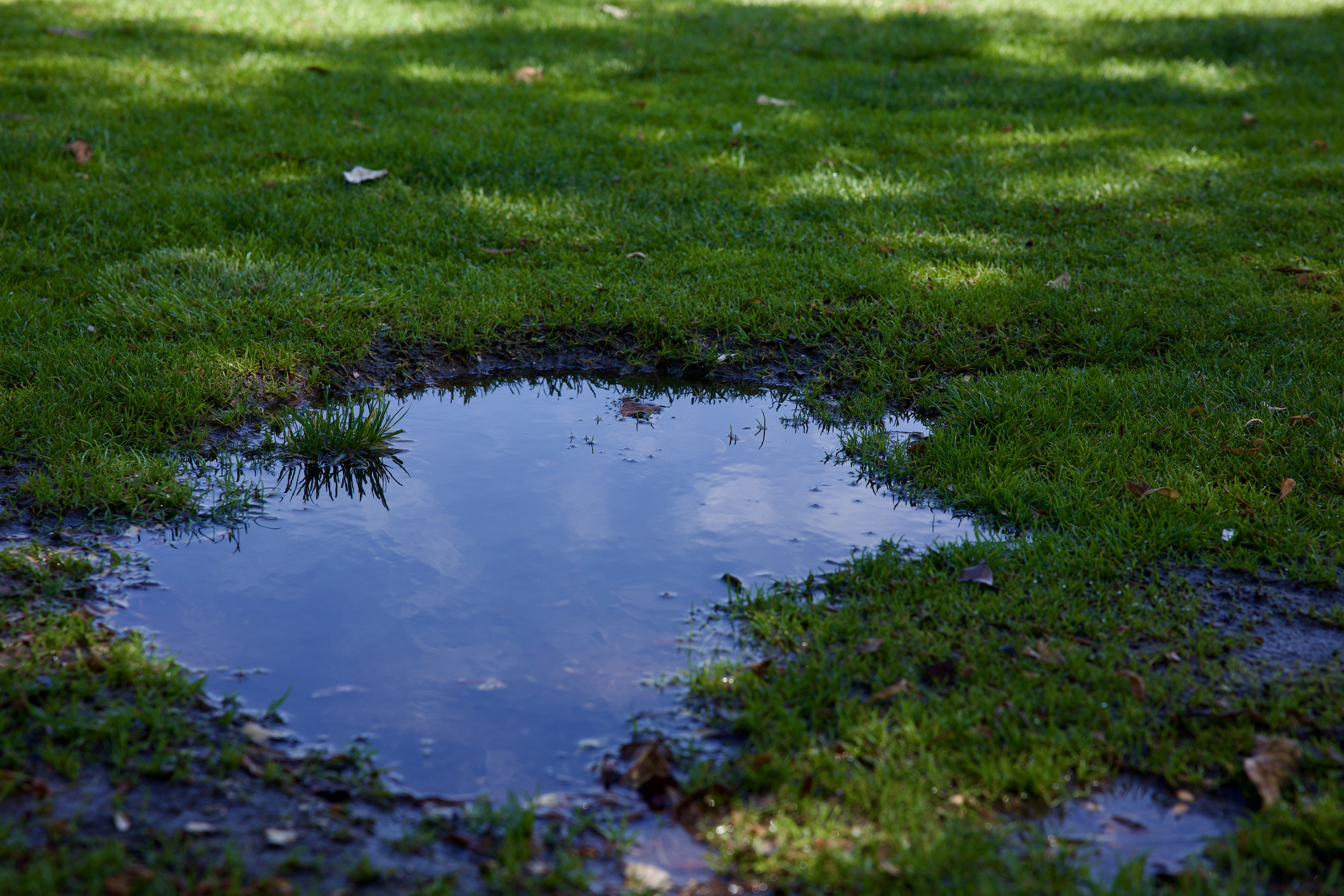
The Short Answer: A water leak in your yard could signal problems with your water line, sewer line, irrigation system, or sprinkler system. These underground leaks not only waste water and increase your water bill, but they can also cause structural damage to your property and indicate serious issues with your plumbing system that need immediate attention.
Understanding what causes these yard leaks and how they connect to your home’s plumbing system helps you take action before small issues become expensive emergencies. Water leaks don’t just affect your lawn; They can compromise your home’s foundation, damage underground pipes, and signal failing components in your water supply or sewer system. This guide walks you through everything you need to know about identifying, understanding, and addressing water leaks in your yard.
Understanding Water Leaks in Your Yard
A yard leak happens when water escapes from underground pipes and saturates the soil above. Unlike indoor leaks that show up quickly on floors or ceilings, outdoor leaks can go unnoticed for weeks or months, causing significant damage before you spot them.
Where Yard Leaks Come From

Several different systems run beneath your property, and any of them can develop leaks:
Water supply lines bring fresh water from the main water line at the street to your home. These pipes stay under constant pressure, so when they break, water continuously flows into the surrounding soil.
Sewer lines carry wastewater away from your house to the municipal system or septic tank. A cracked sewer line creates soggy areas and may produce foul odors or dirty water at the surface.
Irrigation systems and sprinkler systems operate under pressure when active. Damaged sprinkler heads, broken pipes, or faulty connections in your irrigation system can create pooling water in specific zones.
Service lines include various connections between your home and the street, such as the water service line that feeds your house. Problems at connection points or along the pipe length can cause persistent leaks.
How Underground Leaks Develop
Pipes don’t usually fail overnight. Several factors contribute to underground water leaks over time.
- Aging infrastructure is a major culprit. Older copper pipes and galvanized steel lines corrode from the inside out, eventually developing pinhole leaks or major breaks.
- Ground movement from freezing temperatures, settling soil, or nearby construction can crack rigid pipes.
- Tree roots naturally seek out water sources and can penetrate even small cracks in your water line or sewer line, expanding those openings as they grow.
- High water pressure stresses pipes constantly, and over years, this pressure can cause weak points to fail.
Signs You Have a Water Leak in Your Yard
Catching an underground leak early prevents extensive damage and keeps repair costs manageable. Watch for these common indicators that water is escaping somewhere beneath your property.
Visible Ground Changes
Your lawn often shows the first signs of trouble. Watch for these indicators:
- Persistent wet spots: Areas that stay damp even during dry weather
- Soggy areas: Spots that feel squishy or waterlogged underfoot
- Unexplained puddles: Water pooling without recent rainfall
- Unusually green grass: Patches that grow faster and greener than the surrounding lawn
- Ground depressions: Sunken areas or dips where soil has eroded
- Winter clues: Snow melting faster over certain spots due to warm water below
Water Pressure Problems
Changes in your home’s water pressure can point to supply line issues:
- Reduced water flow at plumbing fixtures throughout the house
- Weak streams from faucets or showerheads
- Loss of pressure when multiple fixtures run
- Hissing or rushing water sounds in pipes when nothing is running
A leak may be diverting water before it reaches your home, causing these pressure drops throughout your plumbing system.
Increased Water Bill
An unexplained increase in your water usage typically signals a leak somewhere in your system. Compare your current water bill to previous months; A sudden jump without changes in your household water usage suggests water is escaping. Even a small leak can waste hundreds of gallons of water monthly.
Checking Your Water Meter
Your water meter provides valuable leak detection information. Follow these steps:
- Turn off all water sources inside and outside your home, including ice makers and irrigation systems
- Locate your water meter, usually near the street or at your property line
- Note the current reading and write it down
- Wait one to two hours without using any water
- Check the meter again. If the numbers changed, you have a leak
Many meters include a small leak indicator dial or triangle that spins when water moves through. This sensitive device can detect even minor leaks.
Common Causes of Yard Water Leaks
Understanding what causes underground water leaks helps you prevent future problems and make informed repair decisions.
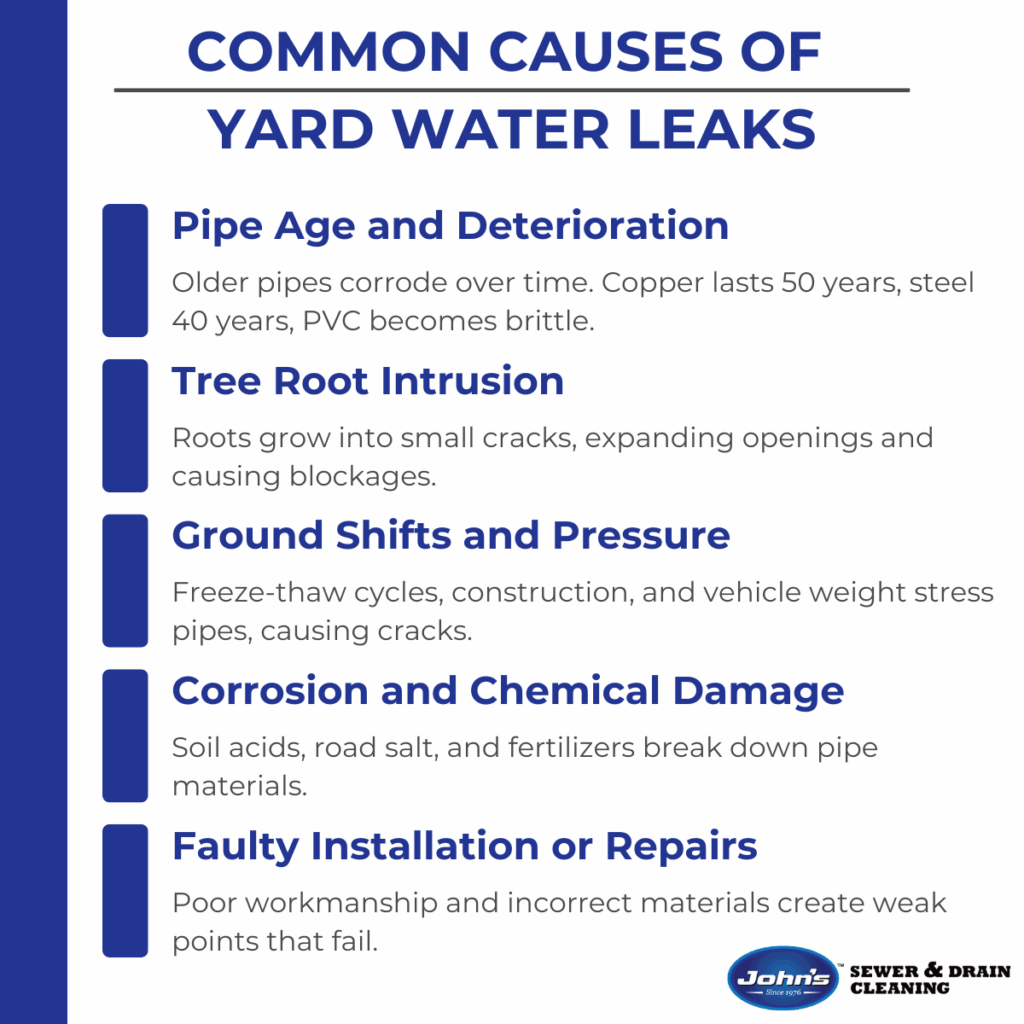
Pipe Age and Deterioration
Older homes often have outdated plumbing materials that don’t hold up to modern demands:
- Copper pipes: Typically last 50 years before corrosion compromises their integrity
- Galvanized steel pipes: Common in homes built before 1960, they corrode faster and may need replacement after 40 years
- PVC pipes: While more durable, they can become brittle over time from exposure to soil chemicals and temperature fluctuations
The main water line experiences constant pressure that accelerates wear on aging materials.
Tree Root Intrusion
Trees and large shrubs create beautiful landscapes, but their roots pose serious threats to underground pipes. Roots grow toward moisture sources, and even hairline cracks in your water line or sewer line release enough water to attract them.
Trees with aggressive root systems:
- Willow trees
- Poplars
- Oak trees
These can travel dozens of feet searching for water. Once roots find a water source, they grow into the opening, expanding it significantly. Root intrusion most commonly affects sewer lines because the wastewater provides nutrients that trees seek.
Ground Shifts and Pressure
Soil doesn’t stay perfectly still; It expands and contracts with temperature changes, moisture levels, and seasonal freezing. Several factors contribute to ground movement:
- Freeze-thaw cycles: Expanding ice shifts pipes and stresses joints
- Construction activity: New buildings or heavy vehicles compact soil
- Settling: Gradual movement over the years misalign pipe sections
- Vehicle weight: Supply lines under your driveway face additional pressure
Even minor shifts can create stress at connection points, eventually causing cracks.
Corrosion and Chemical Damage
Soil chemistry affects how long pipes last:
- Acidic soil: Accelerates corrosion in metal pipes
- Alkaline soil: Can damage certain pipe materials
- Road salt: Seeps into soil near streets and corrodes the service line
- Lawn chemicals: Fertilizers break down pipe materials over time
The backflow preventer and other exposed components are particularly vulnerable to chemical damage and corrosion.
Faulty Installation or Repairs
Poor workmanship during initial installation or previous repairs often leads to premature failure:
- Improperly secured joints that separate under pressure
- Incorrect pipe materials for your soil conditions
- Previous patch jobs that didn’t address underlying problems
- Minor installation errors create weak points
These issues eventually develop into major leaks.
Confirming a Water Leak
Suspecting a leak is one thing, but confirming it and finding its exact location requires systematic investigation.
Professional Leak Detection Services
Licensed plumbers use specialized equipment to pinpoint underground leaks without extensive digging:
- Acoustic sensors: Detect the sound of water escaping from pressurized pipes
- Infrared cameras: Identify temperature differences indicating water under the surface
- Ground-penetrating radar: Maps underground pipes and identifies anomalies
- Pressure testing: Isolates specific pipe sections to determine where leaks exist
These technologies save time and money by locating problems precisely, minimizing the digging needed for repairs.
Understanding Leak Indicators
Small signs often point to leak locations before major symptoms appear:
- Circular wet areas: Typically indicate a leak directly below that spot
- Linear wet patterns: Suggest the leak is along a pipe run rather than at a single point
- Larger affected areas near the street: Leaks near the water main or meter create bigger wet zones because main line pressure is highest there
- Predictable irrigation patterns: System leaks usually show up based on zone layout
Knowing your yard’s pipe layout helps you interpret these indicators accurately.
Emergency Shut-Off Procedures
If you discover a major leak, know how to stop water flow quickly:
- Locate your main shut-off valve, typically near where the water line enters your house or near the water heater
- Turn the valve clockwise to stop all water flow to your home
- For irrigation leaks, use the shut-off valve specific to that system
- If the leak is before your meter, contact your water utility immediately. That section is their responsibility
Stopping water flow prevents additional damage while you arrange for professional repair services.
Repair Solutions for Yard Water Leaks
Once you’ve confirmed and located a leak, several repair options can restore your system. The right solution depends on leak location, pipe condition, and extent of damage.
Pipe Repair vs. Replacement
When repair works:
- Localized damage affecting a short pipe section
- Newer pipes with isolated problems
- Single failure points
- Limited budget situations
When replacement is better:
- Old pipes throughout your system
- Multiple sections show deterioration
- Frequent recurring problems
- Long-term cost savings
Repairing one spot on aging pipes often just moves the problem; Another section will fail soon. A licensed plumber can assess overall pipe condition and recommend whether targeted repair or full replacement best serves your situation.
Trenchless Repair Options
Modern technology allows pipe repairs without excavating your entire yard.
- Inserts an epoxy-coated liner into the existing pipe
- Liner hardens to create a new pipe inside the old one
- Minimal landscape disruption
Pipe bursting:
- Breaks apart the damaged pipe
- Simultaneously pulls new pipe into place
- Replaces entire sections efficiently
While more expensive upfront, trenchless solutions save money on property restoration and often complete faster.
Traditional Excavation Methods
Sometimes, traditional digging remains the most practical approach.
Best situations for excavation:
- Shallow pipes
- Multiple repairs needed
- Already planning landscape changes
- Pipe material not suitable for trenchless options
Professional crews excavate carefully to minimize property damage and restore your yard properly after completing repairs.
Irrigation System Repairs
Sprinkler system leaks often require different solutions:
- Broken sprinkler heads: Simply need replacement: inexpensive and easily swapped out
- Damaged lateral lines: May need sectional replacement
- Connection point leaks: Sometimes, just need new fittings or sealant
- Zone-specific issues: Can be repaired without replacing the entire network
A sprinkler specialist can assess your irrigation system and make targeted repairs. Regular maintenance helps prevent many common sprinkler problems.
Protect Your Property from Water Leaks
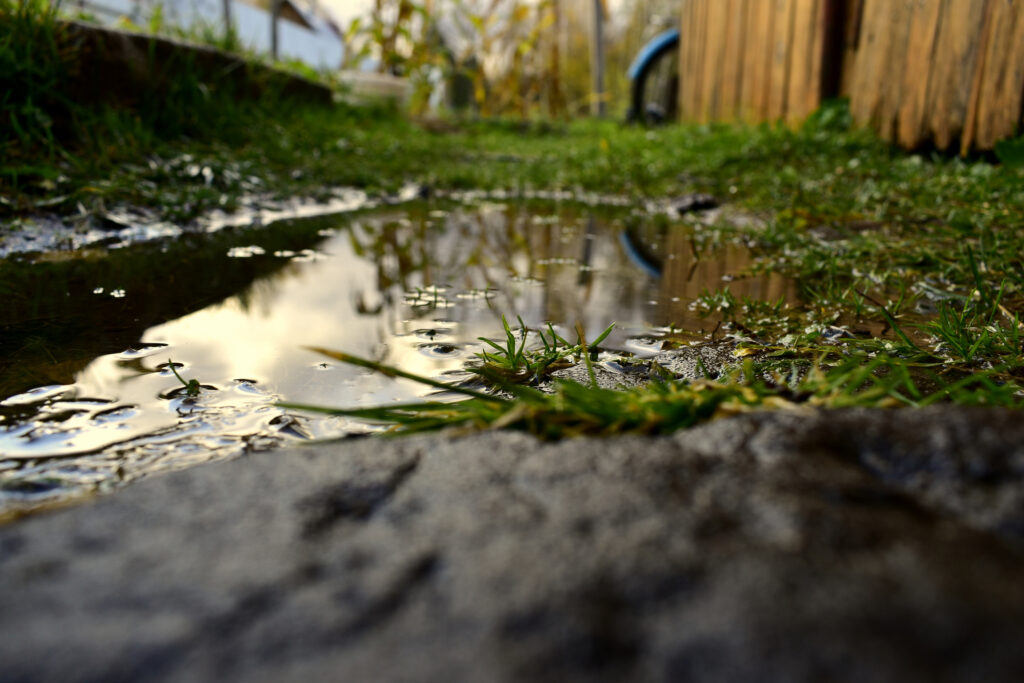
A water leak in your yard wastes water, increases your bills, and can cause serious damage to your property and plumbing system. Whether you’ve noticed a soggy spot, reduced water pressure, or an unexplained spike in your water usage, taking action quickly prevents small problems from turning into costly emergencies. Regular monitoring (checking your water meter, walking your yard, and watching for pressure changes) helps catch issues before they cause major damage.
Don’t wait for a leak to get worse. At John’s Sewer and Drain Cleaning, our experienced technicians provide comprehensive leak detection and repair services throughout the Boston area. Our licensed plumbers will diagnose your problem accurately and recommend the most effective solution to protect your property. Contact us today!