At a Glance: A smelly shower drain usually results from biofilm buildup, a dry p-trap, or trapped debris creating a breeding ground for bacteria. Most shower drain odors can be prevented with regular cleaning, though persistent problems may indicate deeper plumbing system issues requiring professional attention.
Nobody wants to step into their shower and be greeted by a foul odor wafting up from the drain. A smelly drain can turn your daily routine unpleasant and leave you wondering what’s causing that bad smell. The good news is that shower drain smells are common and often fixable once you understand what’s behind them.
This guide walks you through the main causes of shower drain smell, explains what creates those unpleasant smells, and provides practical solutions for eliminating odor-causing bacteria. You’ll learn when simple home remedies work and when it’s time to call a professional plumber to address more serious drain problems.
What Causes That Unpleasant Smell From Your Shower Drain?
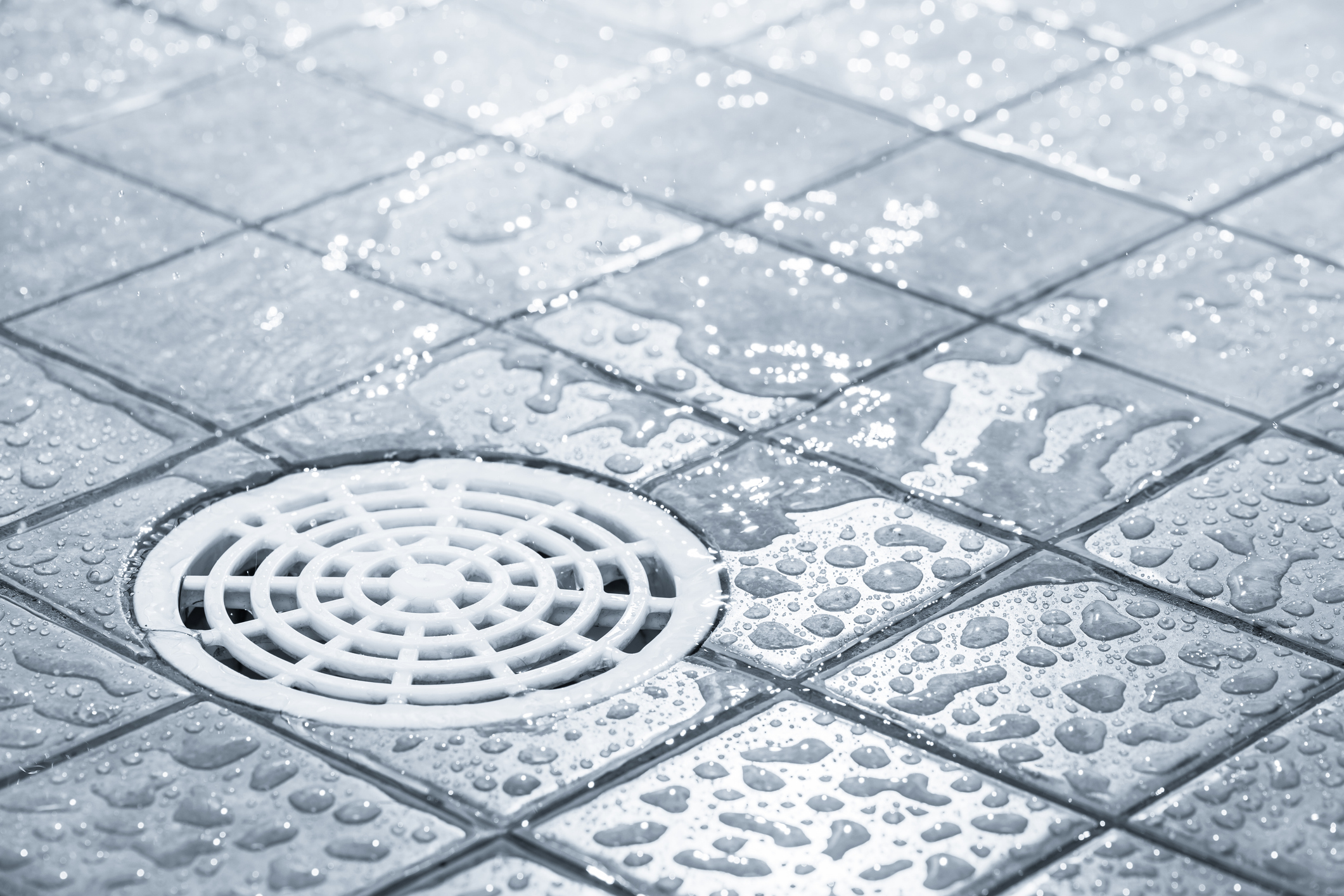
Your shower drain handles more than just water. Every time you shower, soap scum, hair, dead skin cells, and other organic matter wash down the drain pipe. Over time, these materials create conditions perfect for producing bad smells.
Biofilm Buildup: The Primary Culprit
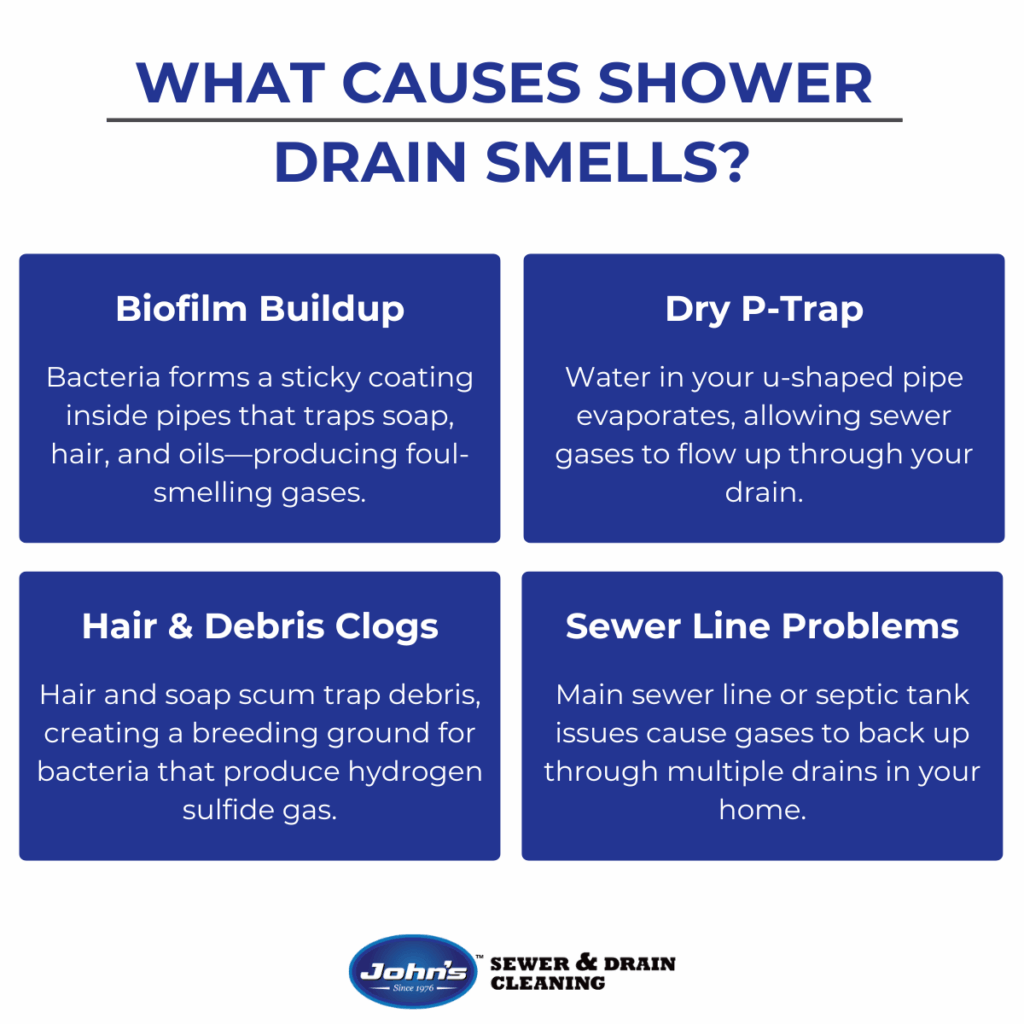
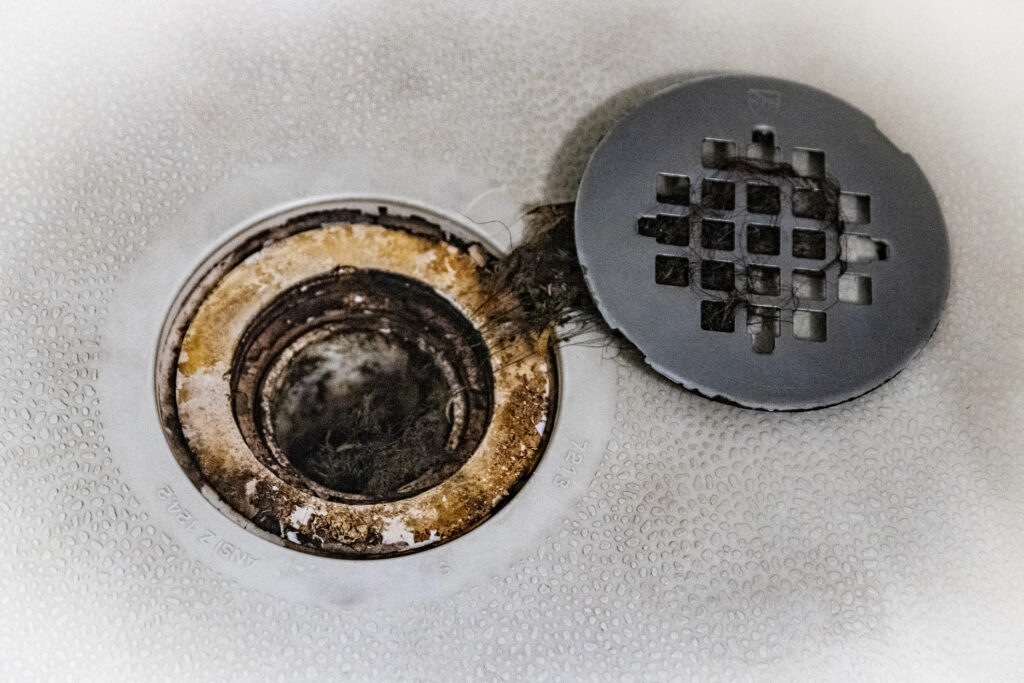
The most common cause of a smelly shower drain is biofilm buildup inside your drain line. Biofilm is a glue-like substance formed when bacteria attach to the inside of your drain pipe and multiply. This sticky layer traps soap scum, hair, oils, and other debris, creating a thick coating along the pipe walls.
As bacteria feed on this trapped organic matter, they produce gases that create that characteristic, unpleasant odor. The unpleasant odor can range from a musty smell to a sewage smell, depending on what’s accumulated in your drain. Biofilm buildup happens gradually, which is why you might not notice the smell until it becomes significant.
Dry P-Trap Problems
Every shower drain includes a u-shaped pipe called a p-trap located beneath your shower floor. This curved section of pipe holds a small amount of water that acts as a barrier, preventing sewer gases from flowing up through your drain and into your bathroom.
When your shower sits unused for extended periods, the water in the p-trap can evaporate. Without this water seal, sewer gas from your drain line rises through the shower drain, bringing a smell with it that’s hard to ignore. Guest bathrooms and vacation homes frequently develop this issue due to infrequent use.
Hair and Debris Clogs
Hair is one of the biggest contributors to drain odor. As hair accumulates in your drain, it combines with soap scum and forms clumps that catch additional debris. This trapped material becomes a breeding ground for bacteria that produce hydrogen sulfide gas, which smells like rotten eggs.
These clogs don’t always block water flow completely. Partial blockages still allow water to drain, but the stagnant water and trapped organic matter sitting in the clog create ideal conditions for odor-causing bacteria to thrive.
Sewer Line Issues
Sometimes a smelly drain signals problems beyond your shower. Issues with your home’s main sewer line or septic tank can cause sewer gases to back up through your plumbing system. If multiple drains in your home smell bad or you notice gurgling sounds when water drains, the problem likely extends beyond a single fixture.
A damaged or leaky pipe in your drain system can also allow sewer smell to escape before reaching the proper venting system. These situations require professional diagnosis and repair to protect your home’s plumbing system.
Understanding Different Types of Drain Odors
Not all shower drain smells are the same. Identifying the specific type of smell can help pinpoint the underlying cause.
Rotten Egg Smell (Hydrogen Sulfide)
The distinctive rotten eggs odor comes from hydrogen sulfide gas, produced when bacteria break down organic matter in your drain. This smell typically indicates significant biofilm buildup or a clog containing decomposing hair and soap residue. The bacteria responsible for this smell thrive in oxygen-poor environments deep within your drain pipe.
Musty or Mildew Smell
A musty smell often points to mold or mildew growth around or inside your drain. This can happen when moisture accumulates in areas with poor ventilation. While less offensive than sewage smell, this odor still indicates a need for cleaning and improved air circulation in your bathroom.
Sewage Smell
A strong sewage smell usually means sewer gases are escaping into your bathroom. This can result from a dry p-trap, problems with your vent pipe, or issues with your main sewer line. Sewer gas isn’t just unpleasant; It can contain harmful compounds, making this smell one that requires prompt attention.
How to Get Rid of Shower Drain Smell
Once you’ve identified the source of your smelly shower drain, you can take action to eliminate the odor and prevent it from returning.
Simple Solutions You Can Try First
Flush with Hot Water
Start with the simplest approach: pour hot water down your shower drain. Hot water helps dissolve soap scum and flush away loose debris. Let the hot water run for a few minutes to thoroughly rinse the drain pipe. This method works best for mild odors caused by light buildup.
Baking Soda and Vinegar Treatment
For a natural cleaning approach, pour one cup of baking soda down your drain, followed by one cup of white vinegar. Cover the drain and let the mixture fizz and work for 30 minutes. The chemical reaction helps break down biofilm buildup and organic matter. Finish by flushing with hot water for several minutes.
Check and Refill Your P-Trap
If you suspect a dry p-trap, the fix is simple. Run water in your shower for a few minutes to refill the u-shaped pipe beneath the drain. This restores the water barrier that blocks sewer gases. For showers that go unused for long periods, run water through them at least once a month to maintain the seal.
Remove Visible Debris
Take off your drain cover and remove any hair or debris you can reach. You might be surprised how much material accumulates just below the drain opening. Use gloves and dispose of the debris in the trash, not another drain.
When to Use a Drain Snake
For stubborn clogs deeper in your drain line, a drain snake (also called a drain auger) can reach blockages beyond arm’s length. Insert the snake into your drain and rotate it as you push it through the pipe. This tool can break up hair clogs and biofilm deposits that regular cleaning can’t reach.
Manual drain snakes work well for many homeowners, but be gentle to avoid damaging your drain pipe. If you encounter resistance or can’t clear the clog, it’s time to contact a professional plumber who has commercial-grade equipment designed for stubborn clogs.
What About Chemical Drain Cleaners?
Chemical drain cleaners promise quick results, but approach them with caution. These products use harsh chemicals that can damage your pipes, especially older plumbing systems. They’re also harmful to the environment and dangerous if they splash on skin or mix with other cleaning products.
If you choose to use a chemical drain cleaner, follow the manufacturer’s instructions exactly and never mix different drain cleaning products. However, for regular maintenance and most clogs, manual methods and natural cleaners work better and are safer in the long run.
Prevention: Keeping Your Shower Drain Fresh

Regular maintenance prevents most shower drain smells before they start. Building these habits into your routine saves time and money compared to dealing with established odor problems.
Weekly Maintenance Tasks
Remove hair and visible debris from your drain cover after each shower or at least weekly. This simple step prevents hair from traveling deeper into your drain, where it becomes harder to remove. Consider installing a drain strainer or hair catcher over your drain opening; These inexpensive devices catch hair before it enters the pipe.
Flush your drain with hot water once a week. Let hot water run for 2-3 minutes to dissolve soap scum before it hardens on pipe walls. This regular cleaning helps maintain clear drain lines and prevents biofilm from establishing itself.
Monthly Deep Cleaning
Once a month, treat your shower drain to a more thorough cleaning. Use the baking soda and vinegar method described earlier, or pour a pot of boiling water down the drain followed by cold water. This temperature change can help dislodge deposits clinging to your pipes.
Remove your drain cover completely and clean both the cover and the visible portion of the drain pipe. Use an old toothbrush or small brush to scrub away soap scum and mineral deposits around the drain opening.
Long-Term Prevention Strategies
Your daily habits make a difference in preventing a smelly drain. Rinse your shower thoroughly after using heavy soap or conditioning products. These products contribute significantly to soap scum buildup in your drain.
Improve bathroom ventilation by running your exhaust fan during showers and for 20-30 minutes afterward. Good air circulation reduces moisture that contributes to mold growth and helps prevent the musty smell associated with damp conditions.
For vacation homes or rarely-used bathrooms, pour a small amount of mineral oil into the p-trap before extended absences. The oil floats on top of the water and slows evaporation, keeping your water seal intact longer.
When to Call a Professional Plumber
While many shower drain smells respond well to home remedies, some situations call for professional expertise. Knowing when to contact a professional plumber can save you from turning a manageable problem into a plumbing emergency.
Signs You Need Professional Help
Contact a professional if you experience any of these warning signs:
- Persistent foul odor that doesn’t improve after multiple cleaning attempts
- Multiple drains in your home producing bad smells simultaneously
- Water backing up in your shower or other plumbing fixtures
- Gurgling sounds coming from your drain when water runs elsewhere in the house
- Visible water damage or leaks around your drain area
- Complete or near-complete drain clog that won’t clear with a drain snake
These symptoms often indicate problems beyond surface-level buildup, such as issues with your main sewer line, septic tank problems, or damaged pipes that need professional diagnosis and repair.
What Professional Drain Cleaning Offers
Professional plumbers have access to tools and techniques that aren’t available to most homeowners. Video inspection allows technicians to see exactly what’s happening inside your drain pipe, identifying clogs, damage, or biofilm buildup with precision. This technology prevents guesswork and ensures the right solution for your specific problem.
Hydro jetting uses high-pressure water to thoroughly clean drain lines, removing years of accumulated biofilm buildup, soap scum, and mineral deposits. This method clears stubborn clogs and leaves your pipes cleaner than they’ve been in years. Professional-grade drain snakes can reach deeper into your plumbing system and handle clogs that defeat consumer-grade tools.
Take Action Against Shower Drain Smells
A smelly shower drain doesn’t have to disrupt your daily routine. Understanding the causes empowers you to address the problem effectively. Regular cleaning with hot water, baking soda treatments, and prompt debris removal prevents most odors before they become noticeable.
Pay attention to what your drain is telling you. Occasional mild smells often respond well to home remedies, but persistent sewage smell, multiple affected drains, or recurring problems signal the need for professional diagnosis. Your plumbing system works hard behind the scenes, and sometimes it needs expert care to continue functioning properly.
Don’t let a bad smell in your shower become a bigger plumbing problem. If you’ve tried home solutions without success, or if you’re experiencing warning signs of serious drain issues, contact John’s Sewer and Drain Cleaning today. Our experienced team is ready to diagnose the problem, provide honest recommendations, and restore fresh-smelling drains to your home. Call us anytime; We’re always available when you need us.