At a Glance: The main difference between septic and sewer systems is that septic systems treat wastewater on your property using a septic tank and drain field, while sewer systems transport waste to a municipal treatment facility. Your choice depends on location, cost considerations, and long-term maintenance preferences.
Both systems handle the same job: removing wastewater from your home safely and efficiently. However, they work in completely different ways and come with distinct advantages and challenges.
When building a new home or buying property, understanding septic vs sewer systems helps you make informed decisions about wastewater treatment. This guide covers everything property owners need to know about both systems, from installation costs to ongoing maintenance requirements.
What Is a Septic System?
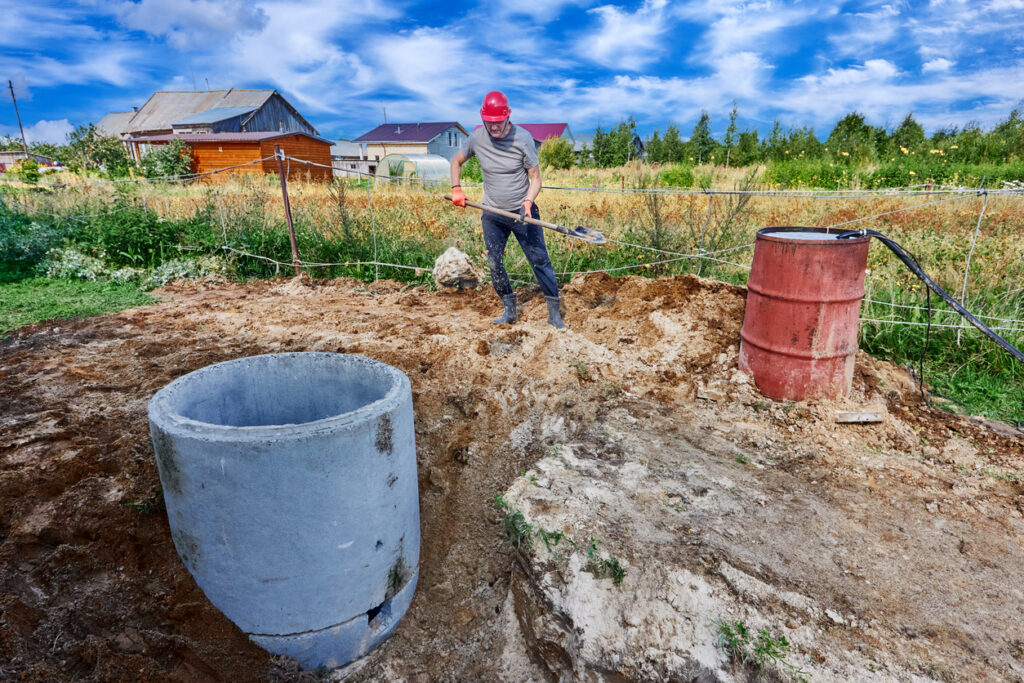
A septic system is an on-site wastewater treatment solution that processes household wastewater directly on your property. This system consists of a septic tank that separates solid waste from liquids, followed by a drain field (also called a leach field) that filters the treated water back into the soil.
How Septic Systems Work

The process begins when wastewater flows from your home into the septic tank, typically made of concrete, fiberglass, or plastic. Inside the tank, solid waste settles to the bottom while oils and grease float to the top. Bacteria naturally present in the tank break down organic matter over time.
The middle layer of partially treated water flows out to the drain field through a distribution box. The drain field consists of perforated pipes buried in gravel beds, allowing treated wastewater to slowly filter through soil layers. This natural filtration process removes harmful bacteria and nutrients before the water reaches groundwater supplies.
Key Components of Septic Systems
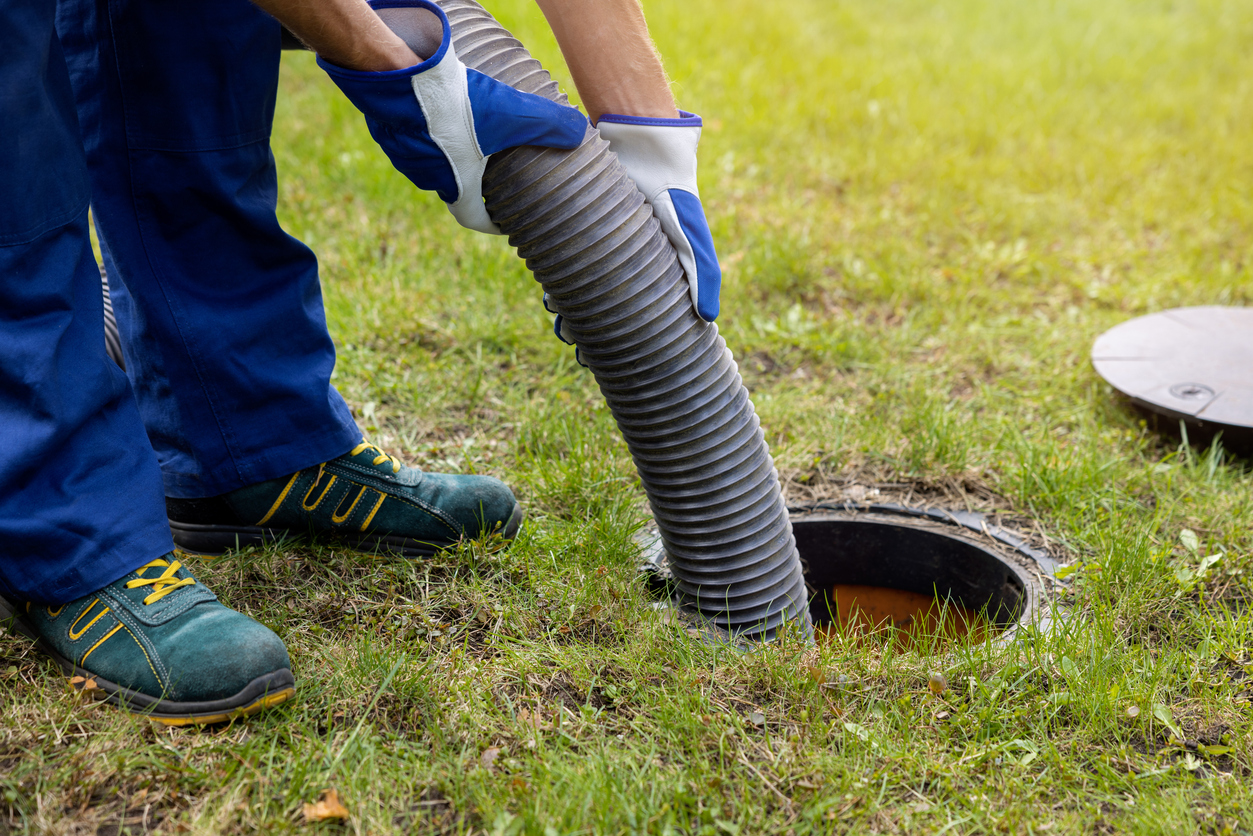
- Septic Tank: The main treatment chamber where initial waste separation occurs. Most residential tanks hold 1,000-1,500 gallons and require pumping every 2-5 years. However, residential tanks can span up to 2,000 gallons.
- Distribution Box: Directs treated water evenly across the drain field to prevent overloading any single area.
- Drain Field (Leach Field): Network of perforated pipes that distribute treated water for final soil filtration. The size depends on household size and soil conditions.
- Soil: Acts as the final filter, removing remaining contaminants before water reaches the water table.
Maintenance Requirements for Septic Systems
Septic systems need regular maintenance to function properly:
- Tank Pumping: Every 2-5 years depending on household size and usage
- Regular Inspection: Annual checks of tank levels and system components
- Drain Field Protection: Avoid heavy vehicles or construction over the leach field
- Water Conservation: Excessive water use can overwhelm the system
- Proper Waste Disposal: Avoid flushing non-biodegradable items or excessive chemicals
What Is a Sewer System?
A sewer system transports wastewater from your home through underground sewer lines to a municipal wastewater treatment plant. Property owners connect to the public sewer through a sewer line that runs from their home to the main municipal sewer line in the street.
How Sewer Systems Work

When you use water in your home, wastewater flows through your home’s drain pipes into your private sewer line. This sewer connection carries waste to the main municipal sewer line, which transports it to a centralized wastewater treatment plant.
At the treatment facility, wastewater undergoes multiple treatment processes, including physical screening, biological treatment, and chemical disinfection. The treated water is then discharged into rivers or oceans, while solid waste is processed into biosolids for agricultural use or disposal.
Key Components of Sewer Systems
- Home Sewer Line: Private pipe connecting your home to the public sewer system, typically 4-6 inches in diameter.
- Municipal Sewer Line: Public infrastructure that collects wastewater from multiple properties and transports it to treatment facilities.
- Treatment Plant: A large-scale facility that processes wastewater using advanced treatment methods before releasing clean water back to the environment.
- Pump Stations: Facilities that help move wastewater through the system, especially in areas where gravity flow isn’t sufficient.
Maintenance Requirements for Sewer Systems
Sewer system maintenance is generally simpler for homeowners:
- Monthly Fee: Regular payment to the local government for sewer service
- Private Line Care: Occasional cleaning or repair of the connection between your home and the street
- Proper Usage: Avoid flushing items that can cause blockages in municipal services
- Tree Root Prevention: Keep large trees away from your sewer connection to prevent root intrusion
Septic vs Sewer: Key Differences
Factor | Septic System | Sewer System |
Location | Rural areas, suburban properties with adequate space | Urban areas, densely populated neighborhoods |
Initial Installation | $3,000-$10,000+ depending on soil conditions | $500-$5,000 for sewer connection |
Monthly Costs | No monthly fee, but periodic maintenance costs | Monthly fee to local municipality ($20-$100+) |
Maintenance | Regular pumping, inspections, and drain field care | Minimal homeowner maintenance |
Lifespan | 20-40 years with proper maintenance | Virtually unlimited (municipal responsibility) |
Environmental Impact | On-site treatment, potential groundwater concerns | Centralized treatment, less individual impact |
Installation Costs and Considerations
Septic System Installation:
- Site evaluation and soil testing is required
- Costs vary significantly based on soil conditions and local regulations
- May require advanced systems (aerobic systems) in challenging soil conditions
- More expensive in areas with high water tables or rocky soil
Sewer Connection:
- Lower upfront costs if municipal services are available
- May require extensive trenching if the connection is far from the street
- Connection fees vary by local municipality
- Some areas require homeowners to pay for mainline extensions
Geographic and Practical Considerations
Rural Areas: Septic systems are often the only option in rural areas where municipal sewer systems don’t exist. These areas typically have larger lots that can accommodate drain fields and fewer density restrictions.
Urban Areas: City sewer systems are standard in most urban areas due to higher population density and less infrastructure requirements for individual properties. Municipal services handle treatment more efficiently at scale.
New Home Construction: The availability of municipal sewer service often influences property development. Areas with existing sewer infrastructure tend to have higher property values and easier development approval.
Advantages and Disadvantages
Septic System Pros and Cons
Advantages:
- No monthly sewer fees to the local government
- Independent system not affected by municipal service disruptions
- Environmentally friendly when properly maintained
- Can increase property value in rural areas
- Long lifespan with proper maintenance
Disadvantages:
- Higher upfront installation costs in many cases
- Regular maintenance costs and responsibilities
- Potential for system failure if not properly maintained
- Restrictions on water usage and household products
- May limit property development options
Sewer System Pros and Cons
Advantages:
- Lower initial installation costs when service is available
- Minimal homeowner maintenance requirements
- No concerns about system capacity or failure
- Allows unrestricted water usage
- Professional treatment at municipal facilities
Disadvantages:
- Monthly fee payments indefinitely
- Dependent on municipal services and infrastructure
- Potential for sewer service rate increases
- Less individual control over waste treatment
- May experience service interruptions during municipal repairs
Making the Right Choice for Your Property
Factors to Consider
- Property Location: Rural properties often require septic systems due to lack of municipal services, while urban areas typically connect to city sewer systems. Check with your local government about available services in your area.
- Household Size and Water Usage: Larger families generate more wastewater, which affects both system types differently. Septic systems have capacity limitations, while sewer systems can handle varying usage levels without homeowner concerns.
- Long-term Costs: Calculate total costs over 20-40 years, including installation, maintenance, and monthly fees. Septic systems may have lower ongoing costs but higher maintenance responsibilities.
- Soil Conditions: Poor soil drainage can make septic systems expensive or impossible to install. Areas with high water tables, clay soil, or rocky conditions may require advanced treatment systems or make sewer connections more practical.
- Local Regulations: Some areas have specific requirements or restrictions for either system type. Check with local health departments and building officials about regulations in your area.
Professional Assessment
Before making a decision, consult with professionals who can evaluate your specific situation:
- Soil Testing: Percolation tests determine if your soil can support a septic system
- Municipal Services: Contact local government to confirm sewer service availability and costs
- Cost Analysis: Get detailed quotes for both options when available
- Regulatory Review: Ensure your choice complies with local building codes and health regulations
Maintenance and Long-term Care
Septic System Care
Regular Maintenance:
- Schedule professional inspections every 1-3 years
- Pump septic tank every 2-5 years (more frequently for larger households)
- Monitor water usage to prevent system overload
- Protect the drain field from compaction and damage
Warning Signs:
- Slow drains throughout the house
- Sewage odors around the tank or the drain field
- Wet spots or lush grass growth over the drain field
- Gurgling sounds from plumbing fixtures
Sewer System Care
Homeowner Responsibilities:
- Pay monthly sewer fees on time
- Avoid flushing inappropriate items down drains
- Address tree roots that may affect your sewer connection
- Report sewer line problems to municipal services promptly
Common Issues:
- Sewer line blockages from tree roots or debris
- Pipe deterioration requiring replacement
- Connection problems at the street junction
Environmental Considerations
Septic System Environmental Impact
Well-maintained septic systems provide effective on-site treatment that can be environmentally friendly. The natural soil filtration process removes most contaminants before water reaches groundwater supplies. However, failing systems can contaminate local water sources with bacteria and nutrients.
Proper maintenance prevents environmental problems:
- Regular pumping prevents solid waste overflow
- Appropriate household product use protects beneficial bacteria
- Drain field protection maintains soil filtration capacity
Sewer System Environmental Impact
Municipal treatment plants use advanced technology to treat wastewater more thoroughly than most septic systems can achieve. Centralized treatment allows for better monitoring and control of the treatment process.
Benefits include:
- Professional treatment removes more contaminants
- Centralized monitoring ensures consistent water quality
- Advanced treatment methods handle pharmaceutical and chemical contaminants better
- Reduces individual property environmental impact
Professional Help and Services
When to Call Professionals
Septic System Services:
- Annual or bi-annual inspections
- Tank pumping and cleaning
- Drain field repairs or replacement
- System installation or upgrades
- Emergency repairs for system failures
Sewer System Services:
- Sewer line cleaning and maintenance
- Video inspection of private sewer connections
- Repair or replacement of damaged sewer lines
- Emergency sewer line repairs
Choosing the Right Service Provider
Look for professionals with:
- Proper licensing and insurance
- Experience with your specific system type
- 24-hour emergency service availability
- References from satisfied customers
- Knowledge of local regulations and requirements
Take Action: Protect Your Investment
Understanding the difference between septic and sewer systems helps you make informed decisions about your property’s wastewater treatment needs. Both systems require attention to function properly, but the type and frequency of care differs significantly. Septic systems need more hands-on homeowner involvement, while sewer systems require less direct maintenance but come with ongoing monthly costs.
Regular maintenance prevents costly emergency repairs for both system types. Septic systems benefit from professional inspections and timely pumping, while sewer systems need occasional line cleaning and proper usage habits. Address small problems early to avoid major system failures that can disrupt your daily routine and cost thousands in emergency repairs.
At John’s Sewer and Drain Cleaning, we specialize in sewer system services throughout the Boston area. Our experienced technicians offer 24/7 emergency service, regular maintenance programs, and professional video inspections to keep your sewer lines functioning properly.
Don’t wait for sewer backups to disrupt your daily routine. Contact John’s Sewer today for professional sewer line assessment, maintenance, or emergency repairs. Our team is ready to help you protect your sewer system investment and maintain reliable drainage year-round.