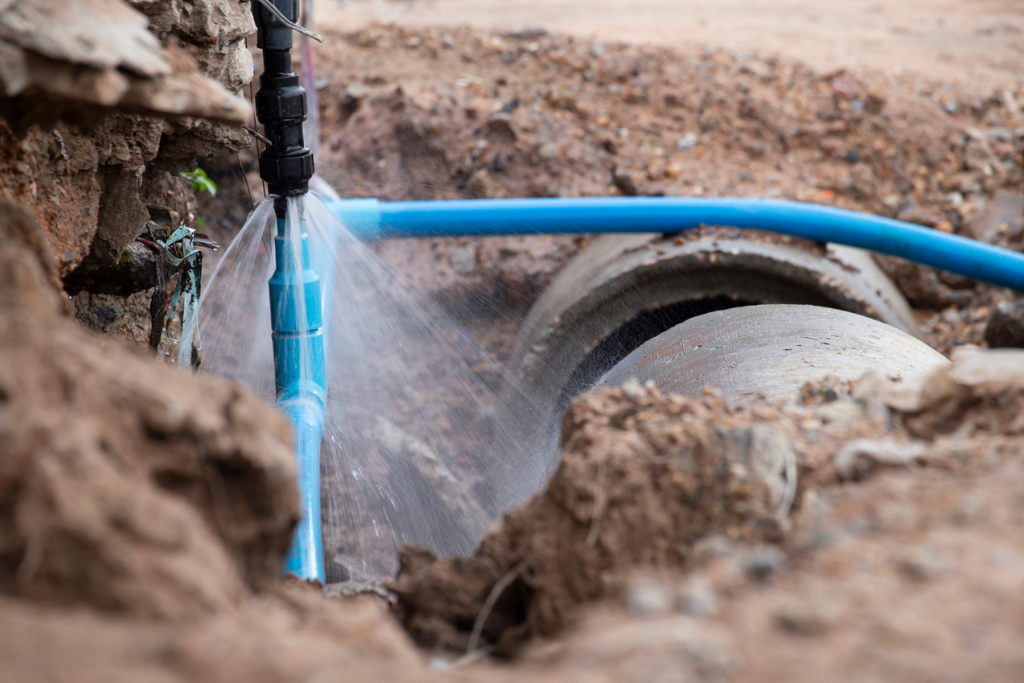
A burst pipe usually shows itself through a sudden drop in water pressure, unexpected water stains or wet spots, unusual sounds behind the walls, or a spike in your water bill. Acting fast by shutting off the water supply and calling a licensed plumber can prevent thousands of dollars in structural damage and extensive water damage.
A burst pipe is one of the fastest ways to cause serious damage inside a home. A crack as small as 1/8 of an inch can release more than 250 gallons of water in a single day. That kind of water flow can soak through drywall, flooring, and insulation before you even notice something is wrong.
The good news is that burst pipes almost always give off warning signs before the situation turns into a full-blown flood. Spotting a burst pipe early, understanding what causes them, and knowing what to do the moment you suspect one can save thousands in repairs and protect your home from serious damage.
What Are the Warning Signs of a Burst Pipe?
Burst pipes rarely stay hidden for long. Your plumbing system, walls, and utility bills usually give off early clues that something is wrong. Watch for these warning signs:
- A sudden drop in water pressure suggests water is escaping somewhere in the line. Look for a shower that goes from strong flow to a trickle without warning.
- Unusual sounds behind your walls, like banging, whistling, hissing, or bubbling, often signal a leak or broken section of pipe.
- Water stains, wet spots, or standing water on ceilings, walls, or floors point to a hidden leak, especially near an exterior wall or under sinks.
- A sudden spike in your water bill usually means water is running somewhere it shouldn’t be.
- Discolored, rusty, or foul-smelling water can indicate that soil or debris has entered a cracked pipe.
- No water coming out of the tap after a hard freeze is a strong sign that a frozen pipe has already ruptured.
If you notice more than one of these signs, treat it as a plumbing emergency and shut off the water at the main.
Can You Check the Water Meter for a Hidden Leak?
Yes. Turn off every faucet and appliance in your home, then look at your water meter. If the dial keeps moving, water is still flowing somewhere in your plumbing system. This is one of the fastest ways to confirm a hidden leak before you can see the damage.
What Causes Pipes to Burst?
Most burst pipes come down to a handful of common culprits. Knowing which one is at play helps you prevent the next one.
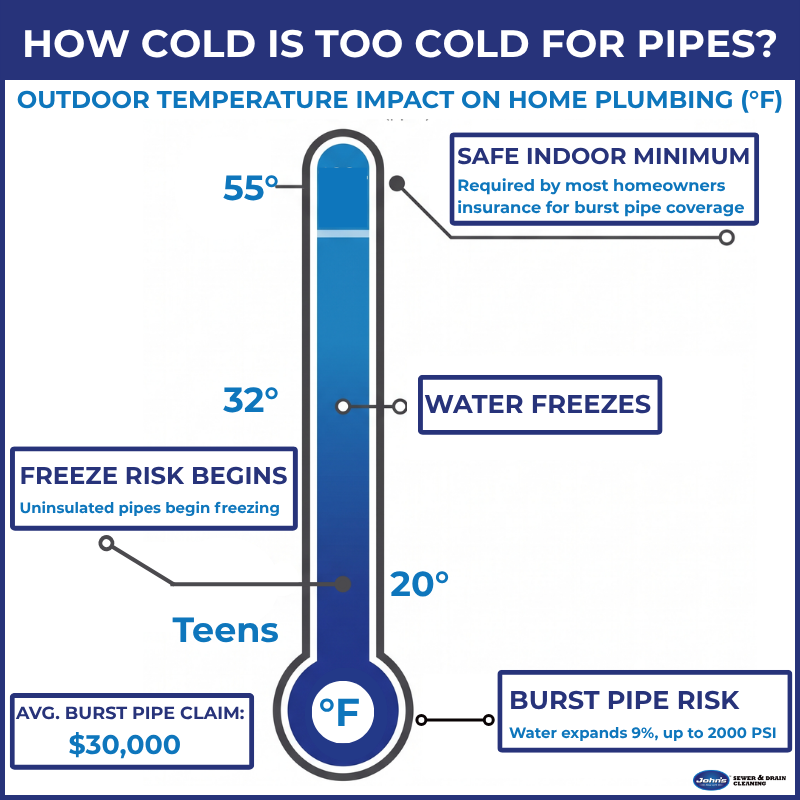
- Freezing temperatures cause water to expand about 9% inside the pipe, generating pressure that can top 2,000 PSI. Pipes exposed to cold temperatures on exterior walls or in unheated attics face the highest risk.
- High water pressure above 80 PSI stresses joints and thin sections until the pipe fails.
- Corrosion in older pipes weakens the pipe walls from the inside over time, especially in cast iron and galvanized steel lines.
- Tree roots invade tiny cracks in underground lines and expand until they split the pipe.
- Ground shifting from settling soil, construction vibrations, or seismic activity can crack buried water pipes.
- Clogs and blockages trap debris, raise internal pressure, and can rupture the pipe upstream.
Cold weather is the single biggest cause in the Northeast. Uninsulated water pipes begin to freeze once outdoor temperatures fall to about 20°F, and burst-pipe problems typically appear when temperatures drop into the teens. Pipes running through unheated areas, exterior walls, and crawl spaces are the most exposed.
What Damage Can a Burst Pipe Cause?
A burst pipe rarely stays a plumbing problem for long. Water spreads fast, and it damages almost everything it touches.
- Water damage to floors and walls happens fast. Even a slow leak can warp hardwood, ruin carpet, and soak drywall within hours.
- Structural damage develops as water weakens framing, subfloors, and foundations. Left untreated, it can rot support beams and cause ceilings to sag.
- Mold and mildew can start growing within 24 to 48 hours of a leak, often behind walls where you cannot see them.
- Damaged belongings are usually the first casualties, including furniture, electronics, and anything stored on affected floors.
- Electrical hazards arise when water reaches outlets or wiring, which can start fires or cause shocks.
- Higher water bills follow a hidden leak, sometimes adding hundreds of gallons to your usage before you catch it.
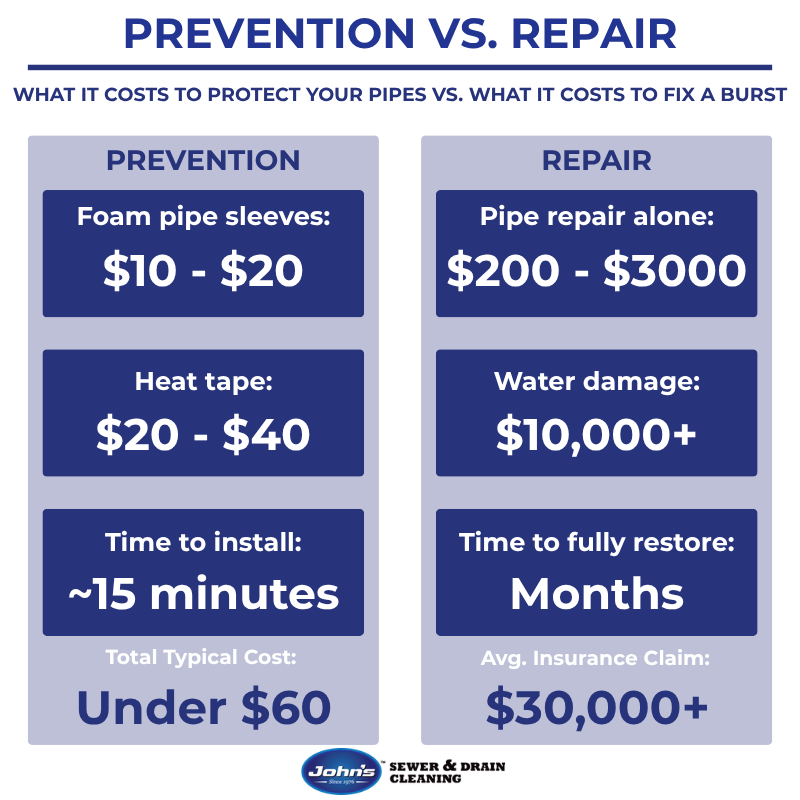
The average frozen pipe and water damage insurance claim now exceeds $30,000, and insurance claims from burst pipes climb sharply every winter. That number reflects the reality that extensive water damage from a burst pipe rarely stops at the pipe itself.
What Should You Do If a Pipe Bursts?
Speed matters more than anything else when a pipe breaks. Take these steps in order:
- Shut off the main water supply: Turn the shut-off valve to stop water flow into the house. Every homeowner should know where this valve is before an emergency happens.
- Cut power to the affected area: If water is anywhere near electrical outlets or appliances, shut off the breaker for that zone.
- Open faucets to drain the lines: Turn on cold taps to relieve pressure and drain remaining water out of the plumbing system.
- Move belongings out of the way: Pull furniture, rugs, and electronics away from the affected area to limit further damage.
- Document the damage: Take photos and video before cleanup, so you have records ready for your insurance company.
- Call a licensed plumber right away: A professional plumber can locate the burst, repair it, and check the rest of your plumbing for related damage.
- Begin drying the space: Use fans, a wet-dry vacuum, or a dehumidifier to pull moisture out before mold takes hold.
Do not try to thaw a suspected frozen section with an open flame. If you can safely reach the frozen pipe, warm it slowly with a hair dryer on low heat, warm towels, or a portable heater kept clear of flammable materials. Any repair to the pipe itself should be left to a licensed plumber.
How Can You Prevent a Burst Pipe?
Prevention is far cheaper than repair. A few habits go a long way, especially before a cold snap arrives.
- Insulate exposed pipes with foam sleeves or heat tape, especially in the crawl space, garage, attic, and along an exterior wall.
- Keep your thermostat at 55°F or higher through the winter. Most homeowners insurance policies require this minimum indoor temperature for coverage on burst pipe claims.
- Let faucets drip during freezing temperatures to relieve pressure inside the pipe and keep water moving.
- Open cabinet doors under sinks so warm air can reach pipes on exterior walls.
- Disconnect and drain outdoor faucets before the first hard freeze, and store your garden hoses indoors.
- Seal cracks and gaps near where water pipes enter the home to keep cold air out.
- Manage your water pressure by installing a pressure regulator if your home runs above 80 PSI.
- Know where your main shut-off valve is and test it once a year so you can act fast in an emergency.
Older pipes, cast iron lines, and homes with a history of leaks benefit from a plumbing inspection every one to two years. Early detection is the difference bet.
When Should You Call a Licensed Plumber?
Call a licensed plumber the moment you suspect a burst pipe, even if you cannot yet see the leak. Some situations are always emergencies:
- Water is actively pouring from a wall, ceiling, or fixture.
- Multiple drains are backing up at once.
- You hear strange noises inside the walls with no clear source.
- Water pressure has dropped across the entire house.
- A frozen pipe has thawed, and you now notice new wet spots.
- You cannot locate or operate your main shut-off valve.
Trying to patch a burst pipe on your own often leads to costly repairs down the road, especially with older pipes, hidden leaks behind walls, or pipes buried in the foundation. A professional has the tools to find the exact source of the problem, verify there is no further damage, and restore water safely.
Fast, Around-the-Clock Help from John’s Sewer
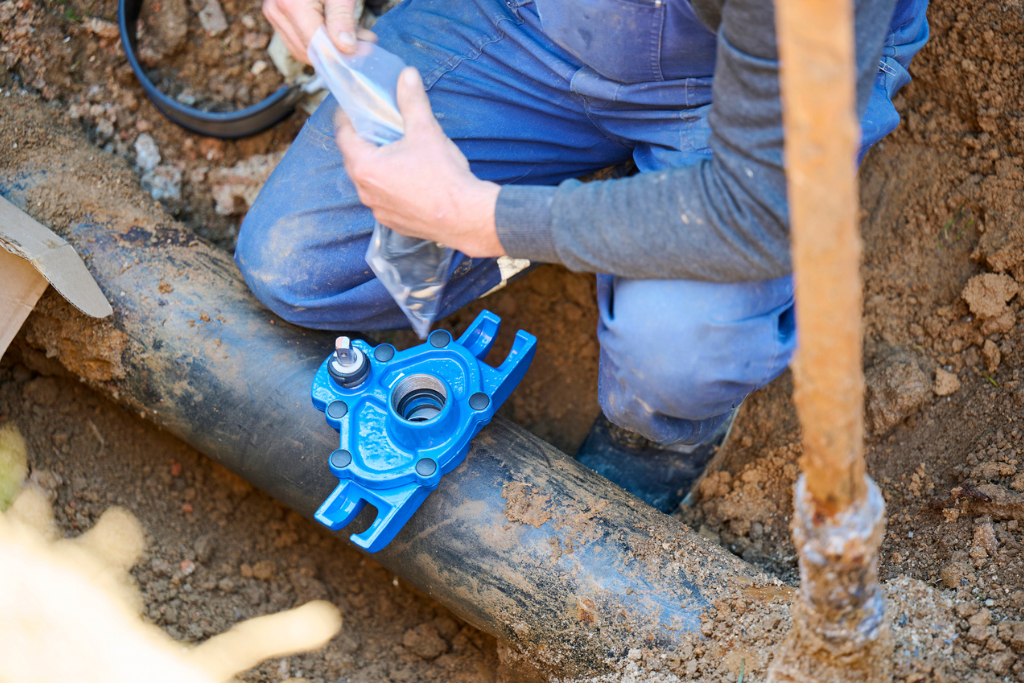
Burst pipes do not wait for business hours. John’s Sewer and Drain Cleaning has served the greater Boston area since 1976, with 24-hour service, seven days a week. A live person answers every call, and our technicians work to arrive at your home within two hours. Whether the problem is a burst pipe, a hidden leak, or damage from a cold snap, our experienced team can diagnose and repair the issue before it turns into extensive water damage.
If you suspect a burst pipe, do not wait. Shut off your water, then contact John’s Sewer and Drain Cleaning for immediate action from a plumber you can trust.