The sewer line camera inspection cost for most homes ranges from $271 to $1,726, with a national average of about $995. Simpler inspections with an accessible sewer cleanout may cost $125 to $500, while longer sewer lines, difficult access, and after-hours service can increase the price.
Most homeowners start researching sewer camera inspection costs after something goes wrong. Maybe a basement drain backs up, a toilet gurgles when the washing machine runs, or a home inspector recommends checking an older sewer line before closing.
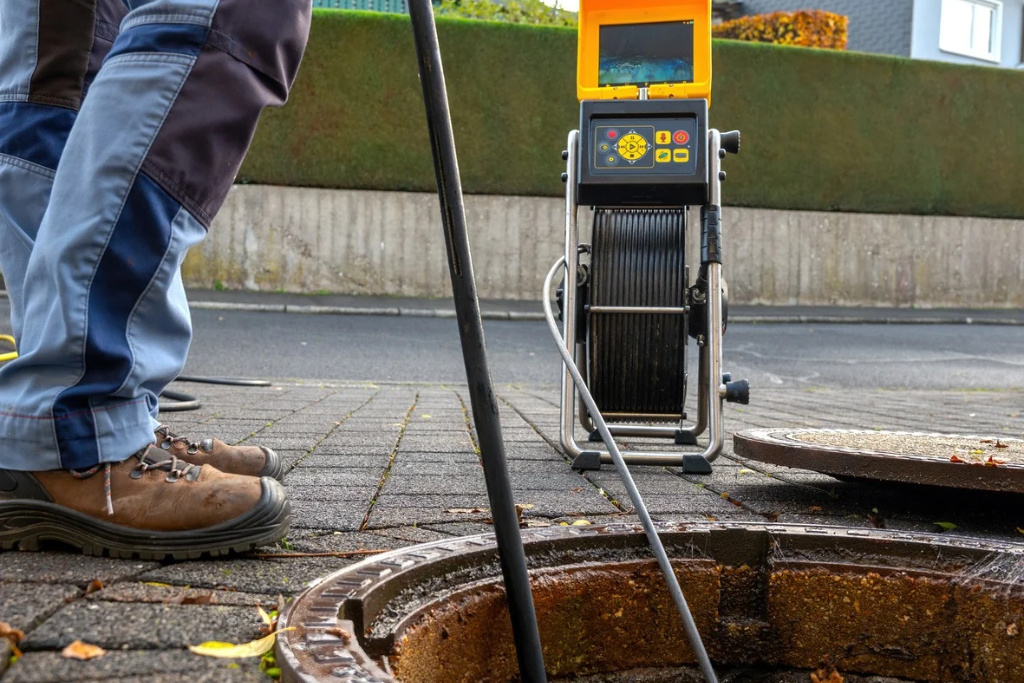
A sewer camera inspection can help identify problems inside the pipe without excavation. A technician feeds a waterproof camera through the sewer line to look for tree roots, cracks, blockages, and other visible damage. The footage helps determine whether the line needs cleaning, a targeted repair, or more extensive work.
How Much Does a Sewer Camera Inspection Cost?

One of the biggest factors affecting sewer camera inspection cost is how easily a technician can access the sewer line. Homes with an accessible cleanout typically cost $125 to $500 to inspect. Without a cleanout, the technician may need to remove a toilet or use another suitable access point, which can increase the cost to $175 to $750.
Some homeowners need more than the main sewer line inspected. A full home and sewer line inspection, which includes interior drain lines and the main sewer line, typically costs $400 to $750. These prices are general estimates. The final cost depends on the length of the pipes, accessibility, and whether additional services are needed.
What Changes the Price of a Sewer Inspection?
Four main factors affect the cost of a sewer line inspection.
Access Point
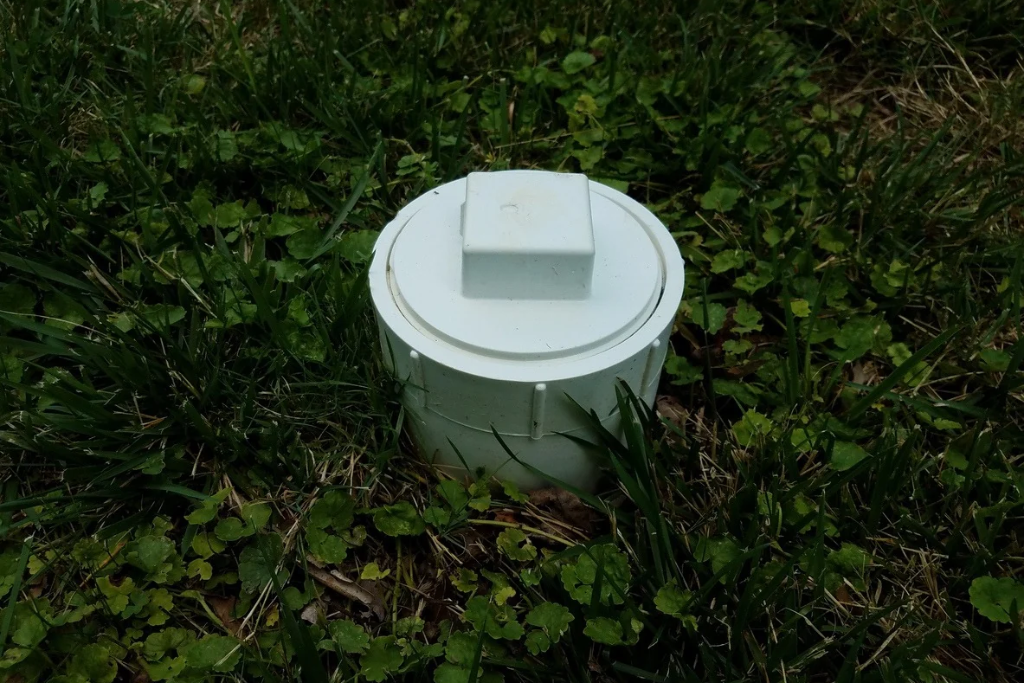
An existing cleanout is the cheapest way in. It is a capped pipe, often in the basement or near the foundation outside, that gives the camera a straight path into the sewer pipe. No cleanout means the tech pulls a toilet or works down through a roof vent, which generally takes longer. It can also limit how far the camera reaches. Some property owners add a cleanout during the visit, which makes every future inspection and cleaning simpler.
Pipe Length
Longer lines take longer to scope. A house set far back on its lot can have well over 100 feet of pipe between the foundation and the city connection. Standard push cameras can reach about 400 feet before a specialty setup is needed. John Sewer uses a crawler camera system that is a remote-controlled, self-propelled tractor that records high-quality color video of large sewer pipes, drain lines, and plumbing systems up to 48 inches in diameter to inspect almost any sewer line.
Cleaning Before the Camera
A camera usually cannot see through standing water or a packed clog. If the line is fully blocked, the tech clears it first with a cable machine or water jetting. That cleaning is usually billed as additional services, so ask if your quote includes it.
Timing and Property Type
Nights, weekends, and holidays cost more with most companies. Commercial buildings, restaurants, and apartment complexes have larger pipes and more pipe sections to check, so you may receive a higher price there too.
What Happens During a Sewer Camera Inspection?
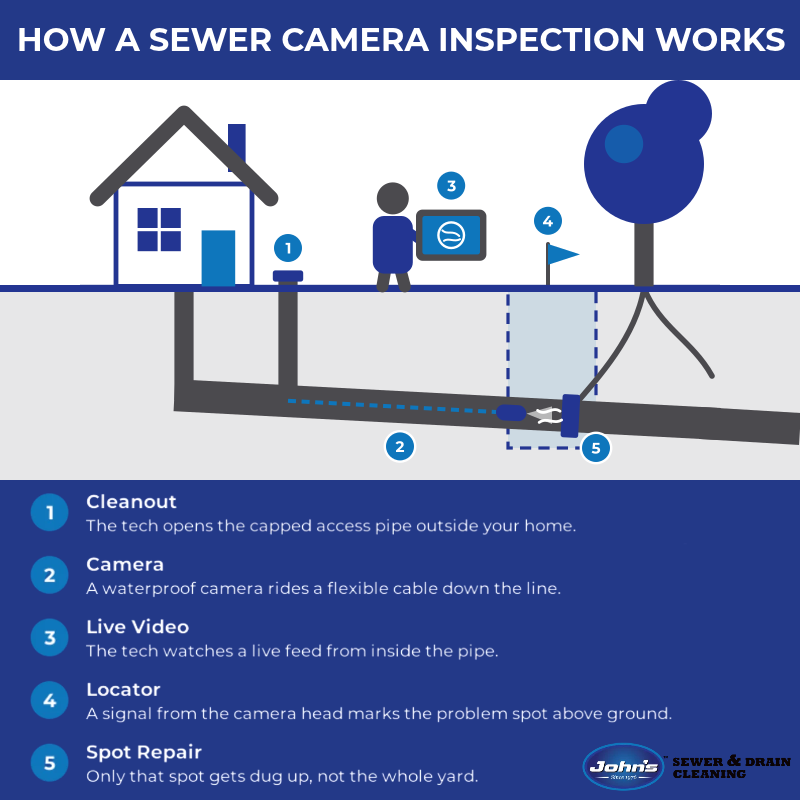
The process is simple, and you are usually welcome to watch.
- Find the access point: The tech locates an accessible cleanout or picks the best fixture to enter through.
- Feed the camera in: A high-resolution camera with bright LED lights rides on a flexible cable down the line.
- Watch the live video: The tech stops at anything unusual, like a root mass, a sag, or a crack.
- Mark the spot: Many sewer camera heads carry a small transmitter. A locator above ground picks up the signal, so the tech can mark the exact location and depth of the problem on your lawn or floor.
- Review the footage: You get a plain explanation of what showed up and, in most cases, a copy of the video footage.
Step four matters more than people think. A marked spot can mean one small hole for a spot repair instead of trenching across the whole yard. For large commercial lines, we use a crawler camera that drives itself through the pipe.
Can You Do a Sewer Camera Inspection Yourself?
You can, but the results may be limited. Basic snake cameras cost about $40 to $160 to use, and most reach only about 20 feet down the line, which can cover the drain under a sink. It rarely gets past the foundation to the main sewer line, which is where tree roots and pipe damage tend to show up.
Reading the picture is the harder part. Pipe bellies, offset joints, and normal connections can be difficult to distinguish on consumer-grade cameras. A professional sewer camera uses a high-definition camera head with self-leveling lights, and the tech has watched thousands of lines on it. That experience helps you avoid paying for unnecessary repairs or missing a problem that keeps growing.
Most inexpensive consumer cameras cannot locate the problem above ground. If digging is needed, a pro still has to pin down the spot.
What Can a Sewer Scope Find?
A sewer scope shows potential problems before they turn into a backup in your basement.
Common types of pipe damage include:
- Root intrusion: Tree roots work into joints and small cracks looking for water. Yards with mature trees see this a lot.
- Hairline cracks: Small today, but soil movement, settling, and deteriorating pipe conditions can widen them.
- Bellies: A sagging section where waste sits instead of flowing.
- Corroded cast iron: Many older homes still have original cast iron lines, which can build up scale and flake on the inside over the decades.
- Offset joints: Ground movement pushes pipe sections out of line.
- Grease and debris buildup: Mostly in restaurant and kitchen lines.
A camera will not catch every leak. Water escaping through a pinhole below the flow line can stay hidden, so the tech may pair the video with other tests if the footage looks clean but the symptoms keep coming back.
When Is a Sewer Camera Inspection Worth the Cost?
It is worth it any time the alternative is guessing.
Buying an Older Home
A standard home inspection typically does not look inside the sewer line. For older homes with cast iron or clay pipe, a sewer scope inspection before closing can catch a sewer problem before closing, when buyers may still be able to negotiate repairs with the seller.
Getting a Second Opinion
Did another company quote a full replacement? Ask to see their footage. A second opinion with fresh video can show if a spot repair or pipe lining will handle it, which helps you avoid unnecessary repairs.
Routine Checks
Homes with tree roots near the line or a history of backups can benefit from a check every year or two.
Warning Signs in Your Home
Book a camera inspection if you notice:
- Slow drains in more than one fixture at once
- Gurgling toilets when a sink or tub drains
- Sewage smells in the basement
- Backups in the lowest floor drain in the house
- Wet, sunken, or extra-green patches of lawn over the main sewer line
One slow sink is often just a local clog. Several at once may point to a sewer line issue.
What Do Repairs Cost After the Inspection?
The inspection price covers diagnosis only. Any sewer repair is a separate cost, and HomeAdvisor lists these typical national prices.
| Repair | Typical Cost |
| Drain cleaning | $147 – $352 |
| Sewer line snaking | $187 – $569 |
| Hydro jetting | $350 – $600 |
| Main sewer line repair | $1388 – $5323 |
| Sewer line replacement | $1421 – $5773 |
A camera inspection helps determine the extent of the damage to give a more accurate repair estimate. Catching roots early can keep the job at a cleaning or a short spot repair. Waiting until the line collapses can turn it into a more expensive repair, plus possible damage to the rest of your plumbing system.
Schedule a Sewer Camera Inspection in Greater Boston
Call John’s Sewer & Drain Cleaning to schedule a professional sewer camera inspection. A live person answers 24 hours a day, seven days a week, and our goal is to have a technician at your door within two hours.
Our team uses professional video inspection equipment to locate blockages, root intrusion, and pipe damage. You’ll receive a digital copy of the inspection footage and a detailed written report explaining the findings. If repairs are needed, we also offer drain cleaning, water jetting, and pipe lining services.
Book an appointment online or contact our team to have your sewer line inspected.
FAQs
Does a sewer camera inspection include drain cleaning?
Usually not. A camera inspection identifies blockages and pipe damage, while drain cleaning removes the obstruction. If the line is completely blocked, the technician may recommend clearing it before completing the inspection. Ask whether cleaning is included in the quoted price.
Will I receive a video of my sewer inspection?
John’s Sewer provides a digital copy of inspection footage along with a written report outlining any problems found. This documentation can help you understand the condition of your sewer line and review recommended repairs.
Does homeowners insurance cover sewer camera inspections?
Homeowners insurance generally does not cover routine sewer camera inspections. However, an inspection may be covered as part of a claim involving sudden, accidental sewer damage, depending on the policy. Coverage for sewer backups often requires a separate endorsement. Check with your insurance provider before scheduling an inspection for a potential claim.
How long does a sewer camera inspection take?
Most residential sewer camera inspections take about 30 minutes to an hour. The exact time depends on the length of the sewer line, how easily the technician can access it, and whether any blockages prevent the camera from moving through the pipe. Larger properties or complicated sewer systems may take longer.