
The Short Answer: Sewer pipe lining is a modern repair method where technicians insert a flexible liner coated with epoxy resin into damaged pipes, creating a new pipe within the old pipe without digging trenches. This trenchless technology typically lasts 50-60 years and can be completed in less time, as little as one day.
Dealing with sewer line problems can be stressful for any property owner. From cracks and leaks to root intrusion and corrosion, aging sewer systems often face numerous issues that can disrupt daily life and cause property damage. While traditional sewer repair methods involved extensive digging and landscape destruction in the surrounding area, trenchless pipe lining technology offers a much less invasive, cost-effective solution.
Understanding Sewer Pipe Lining
Sewer pipe lining is a modern repair method that creates a new pipe inside your existing pipe without extensive digging. This trenchless technology inserts a flexible epoxy-saturated liner into the old pipe, which hardens in place, forming a durable cured-in-place pipe that can last 50-60 years.
What Goes Into Pipe Lining
The pipe lining process uses specialized materials designed for different types of sewer lines. The main component is a flexible tube coated with epoxy resin that becomes rigid when cured. This trenchless pipe repair works with various pipe types, including:
- Main sewer lines
- Stack lines
- Storm drain pipes
- Commercial drainage systems
When to Consider Pipe Lining
Several warning signs indicate you might need sewer pipe lining:
- Recurring backups or slow drains
- Multiple clogs within a two-year period
- Visible cracks in exposed pipes
- Wet spots in yard or basement
- Unusual odors from drains
Before starting any pipe lining project, professionals perform a detailed video inspection to assess the structural integrity and determine if this cost-effective solution suits your situation. Some pipes may be too severely damaged for lining and require sewer line replacement instead.
Benefits and Limitations
Notable Advantages

Saving Time:
Sewer pipe lining stands out as a modern solution for sewer repair with several benefits. The trenchless pipe process requires no digging or excavation, which saves time and protects your property. Most pipe lining installations take just one day to complete, making it far faster than traditional sewer repair methods.
Durability:
The durability of cured-in-place pipe is remarkable. A properly installed and maintained pipe liner can last 50 to 60 years. This long lifespan, combined with lower installation costs compared to full sewer line replacement, makes it a cost-effective solution for many property owners.
Property Considerations
One of the biggest advantages of trenchless pipe lining is its minimal impact on your property. Since the work happens inside existing pipes, your landscaping stays intact. The technique works equally well for both indoor and outdoor sewer lines, making it suitable for various locations on your property.
Important Limitations
Potential Issues:
While sewer pipe lining offers many advantages, it’s not suitable for every situation. Damaged pipes that are completely collapsed or severely deteriorated may need traditional replacement instead of lining. The existing sewer pipe must have enough structural integrity to hold the new pipe liner.
Technical Requirements:
The pipe lining process also has some technical requirements. The sewer pipe must be properly cleaned and free of major obstructions before lining. Size restrictions apply too: pipes that are too small or too large may not be suitable for lining. Additionally, pipes with multiple bends or complicated configurations might present challenges for the lining process.
The Installation Process

1. Pre-Installation Inspection
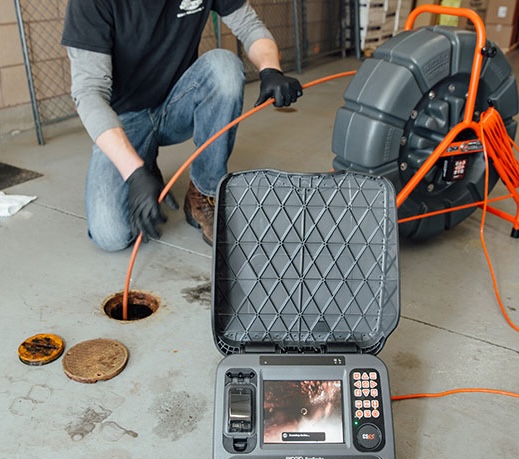
Sewer camera inspection:
- Reveals the exact condition of the existing pipe
- Identifies problem areas
- Confirms suitability for trenchless lining
2. Drain Cleaning
High-pressure water jetting:
- Removes debris, scale, and tree roots
- Ensures a clean surface for the liner to bond
3. Liner Preparation & Insertion
Measure & cut liner:
- Custom-matched to the length of the damaged section
Epoxy coating:
- Saturate the flexible tube with a thermosetting resin
Inversion/expansion:
- Insert via air pressure or water flow
- Presses the liner firmly against the old pipe walls
4. Curing
Resin hardening:
- Activated by heat (steam or hot water) or ambient temperature
- Forms a seamless, structural “pipe within a pipe”
Typical duration:
- Most residential jobs finish within one day
5. Post-Installation Quality Checks & Maintenance
Video inspection:
- Verifies proper adhesion and checks for defects
Flow & pressure testing:
- Confirms the integrity and performance of the new liner
Ongoing care:
- Periodic cleaning and annual camera inspections help ensure a 50–60 year lifespan
Fix Your Pipes Without The Hassle
Pipe lining stands out as a cost-effective solution for your property’s infrastructure. This trenchless technology can extend your existing pipe’s life by 50-60 years while avoiding the mess and expense of traditional excavation. Regular maintenance is straightforward – simply schedule yearly sewer camera inspections and avoid harsh chemical cleaners that could damage the pipe liner.
Watch for warning signs like recurring backups, slow drains, or unpleasant odors – these indicate it’s time to contact a professional for sewer repair. For property owners facing damaged pipe problems, professional assessment can determine if trenchless sewer pipe lining is the right solution. Our experienced technicians provide thorough evaluations and can complete most sewer pipe lining installations in just one day, protecting your property while solving your pipe problems.
Ready to explore pipe lining for your home or business? Contact us today for a professional assessment and learn how we can help restore your sewer system without disrupting your property.