Yes, a sewer inspection is worth it for almost every home purchase. A standard home inspection does not check the underground sewer line, and a full replacement can cost $5,000 to $10,000 or more. For a few hundred dollars, a sewer scope inspection shows you exactly what shape the pipe is in before you close.
Buying a house means juggling a long list of inspections. Sewer lines are the ones most buyers skip. That is a gamble. The main sewer line is buried underground, completely out of sight, and it is one of the most expensive parts of a home to fix.
This guide explains what a sewer scope inspection is, when it matters most, what it costs, and how to use the results to protect your home purchase.
What Is a Sewer Scope Inspection?
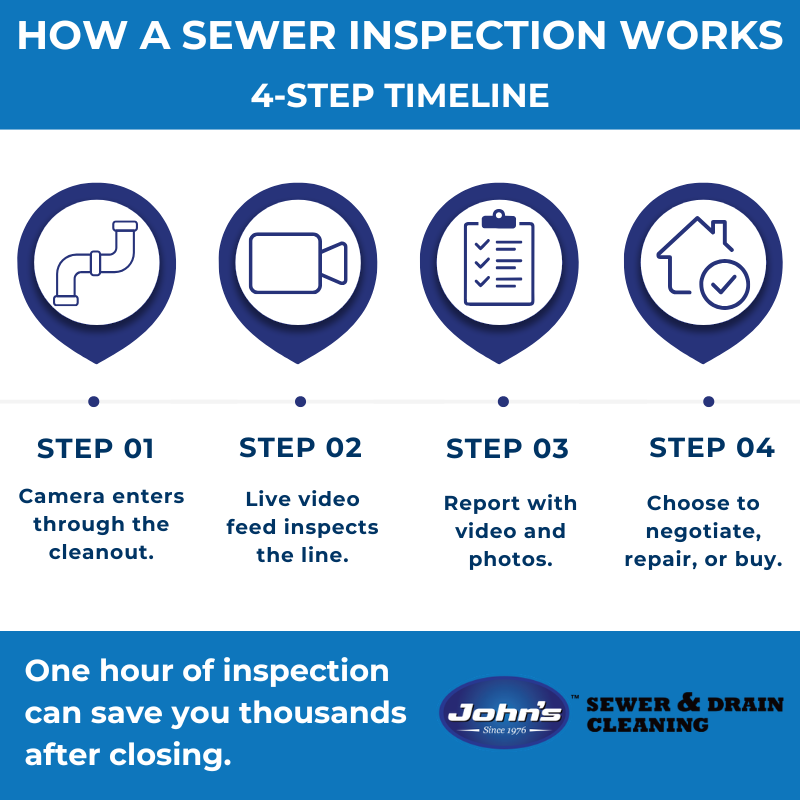
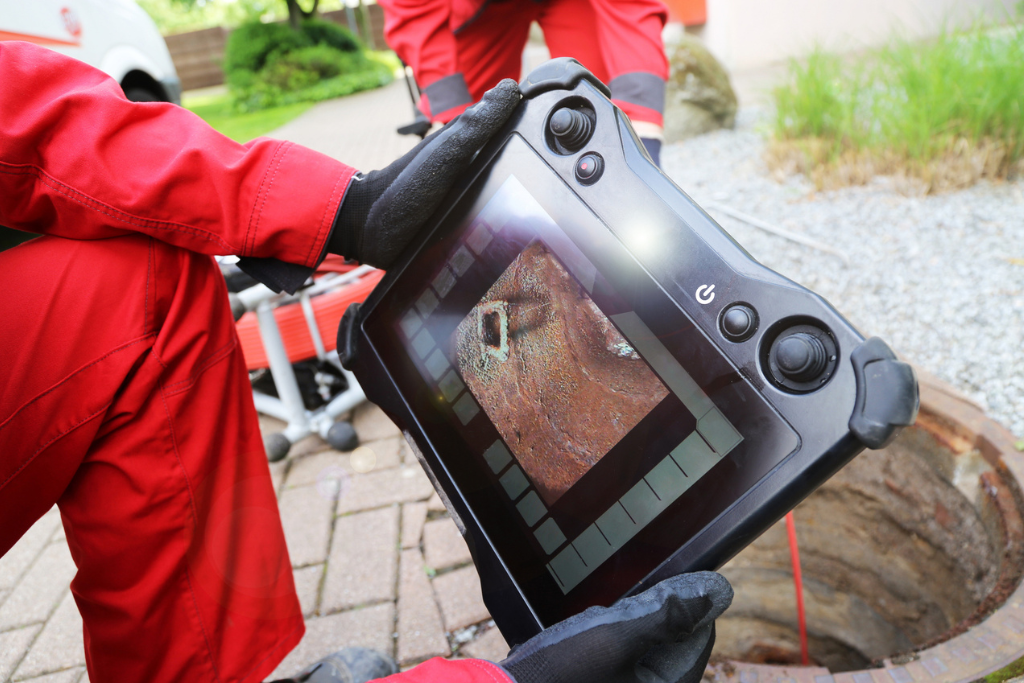
A sewer scope inspection is a video inspection of the pipe that carries wastewater from a house to the municipal sewer system or septic tank. A technician feeds a specialized camera through the sewer pipe and watches a live video feed to see the pipe’s condition from the inside.
The camera enters the home’s sewer line through a cleanout, an access point usually located in the basement or yard. As it travels, the sewer inspector looks for cracks, blockages, sagging sections, and root intrusion. The process takes about 30 to 60 minutes for most homes. When it is done, you receive an inspection report with recorded video and photos of any potential problems, which you can review with your real estate agent before making any decisions.
Does a Standard Home Inspection Cover the Sewer Line?
No. A general home inspection covers the visible parts of a property: the roof, foundation, electrical system, HVAC, and indoor plumbing fixtures. It does not include the underground sewer pipe.
Why Doesn’t a Home Inspector Check the Sewer?
A home inspector runs faucets, tests drains, and flushes toilets, but they cannot see inside a buried pipe. Most do not carry sewer camera equipment, and industry standards do not require a sewer scope as part of a standard home inspection. That means a house can pass its general home inspection while a damaged sewer line sits quietly underground. Running water during a short walkthrough will not reveal a problem that only shows up under daily use by a full household. If you want to know what is actually happening inside the sewer system, you need a separate sewer line inspection with the right equipment and a trained eye.
When Is a Sewer Inspection Worth It?
Plumbing and real estate professionals recommend a sewer camera inspection for nearly every home buyer. These situations make it a clear yes.
Is the House More Than 20 Years Old?
An older home carries the highest risk. Houses built before the mid-1980s often have clay, cast iron, or Orangeburg sewer pipes, and all three materials crack, corrode, or collapse far more easily than modern PVC. Most sewer pipes last 50 to 100 years, so a home from the 1950s or 1960s may have a line near the end of its life. Even if the drains seem fine at the showing, decades of wear can hide inside the pipe. For any older home, a sewer scope should be treated as a standard step in the buying process, not an optional extra.
Are There Mature Trees on the Property?
Tree roots are the number one cause of sewer line damage. Roots naturally grow toward moisture, and they find their way into tiny cracks and joint gaps in the pipe. Once inside, they keep growing until they clog or break the line. Mature trees near the pipe’s path raise the risk of tree root intrusion, especially when paired with older clay pipes that have loose joints. If the yard you choose is full of big, beautiful trees, that is exactly when a sewer inspection earns its keep.
Do You See Warning Signs During the Showing?
Watch for these red flags when you tour a house:
- Slow drains in multiple sinks, tubs, or showers
- Gurgling sounds from toilets or drains
- Sewage odors inside the home or in the yard
- Unusually lush, green patches of grass above the pipe’s path
- Soggy spots or ground depressions in the lawn
Any one of these can point to a sewer problem or a leak that is already affecting the surrounding soil. A leaking pipe can even wash out soil under a foundation and lead to structural damage over time. If you spot these signs, schedule a sewer scope before you go any further.
Should You Scope a Newer Home Too?
Yes. A newer home is lower risk, but new construction is not immune to plumbing problems. Construction debris left in the line is a common find, and heavy equipment can crush or shift a pipe before the house is even finished. Poorly sloped lines and misaligned joints also show up in brand-new builds. A new home with a sewer defect is still your problem after closing, so a quick inspection is cheap insurance on a purchase this large.
How Much Does a Sewer Inspection Cost?
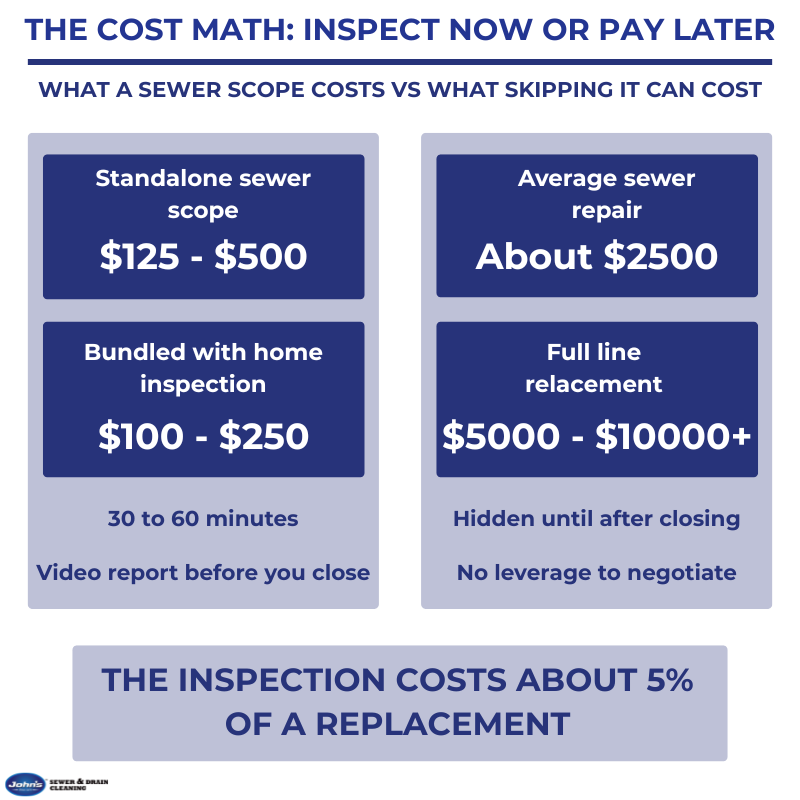
A sewer scope is one of the least expensive inspections you can add to a home purchase, especially compared to the repair costs it can help you avoid.
| Service | Typical Cost |
| Sewer scope added to a home inspection | $100 to $250 |
| Standalone sewer camera inspection | $125 to $500 |
| Average sewer repair | About $2,500 |
| Full sewer line replacement | $5,000 to $10,000+ |
A sewer camera inspection costs $125 to $500 on average, and it often drops to $100 to $250 when bundled with a standard home inspection. Compare that to a full replacement, which averages $5,000 to $7,500 nationally and can pass $10,000 for long lines or difficult digs. The math is simple: the inspection costs a small fraction of the repairs it can uncover.
What Problems Can a Sewer Camera Inspection Find?
A sewer scope reveals pipe damage and other issues that no other inspection can see, including:
- Cracks and fractures caused by age, shifting soil, or pressure
- Root intrusion from nearby trees and shrubs
- Bellies, or low spots where the pipe has sagged and waste collects
- Misaligned or offset joints from settling ground
- Corrosion and scale buildup inside older metal pipes
- Grease buildup and blockages that restrict flow
- Collapsed sections that require immediate sewer repair
The camera also confirms the pipe material and maps the line’s path, which is useful information for any property owner planning landscaping or renovations. If the house uses a septic system instead of a city connection, the scope checks the line running to the septic tank as well.
What Happens After the Sewer Inspection?
What If the Report Comes Back Clean?
A clean report is money well spent. You get peace of mind, a video record of the pipe’s condition on day one, and a baseline for future checkups. You will also know the pipe material and layout, which makes regular maintenance easier to plan once you own the home.
What If the Inspection Finds a Problem?
This is where the inspection pays for itself. If your offer includes an inspection contingency, you have options. You can ask the seller to complete the sewer repair before closing, request a credit or price reduction to cover the repair costs, or walk away from the deal entirely. Your real estate agent can help you decide which route makes sense. Either way, you are making an informed decision with real footage of the pipe instead of crossing your fingers and hoping to avoid costly surprises after you move in.
Get a Clear Picture Before You Buy
A home is likely the biggest purchase you will ever make, and the sewer line is one of the few parts of it you cannot see with your own eyes. A quick camera inspection removes the guesswork and protects you from costly repairs that have derailed plenty of home purchases.
If you are buying a house in the Boston area, John’s Sewer and Drain Cleaning can help. Our video inspection team has been diagnosing sewer and drain issues since 1976, and our experienced technicians use professional camera equipment to give you a complete look at the line before you sign. We answer the phone 24/7, and our goal is to be on site within two hours of your call. Contact John’s Sewer today to schedule your sewer scope inspection and buy your next home with confidence.